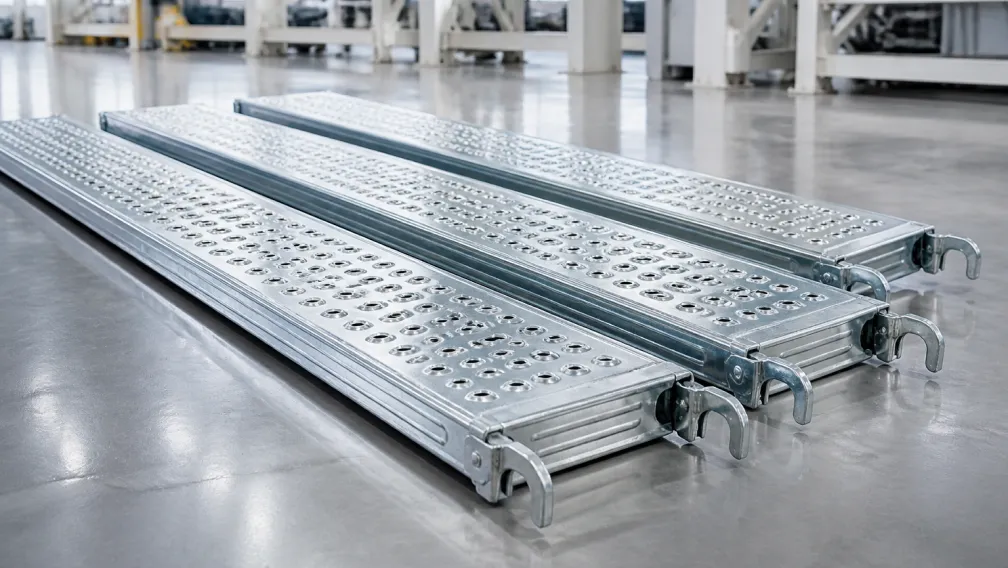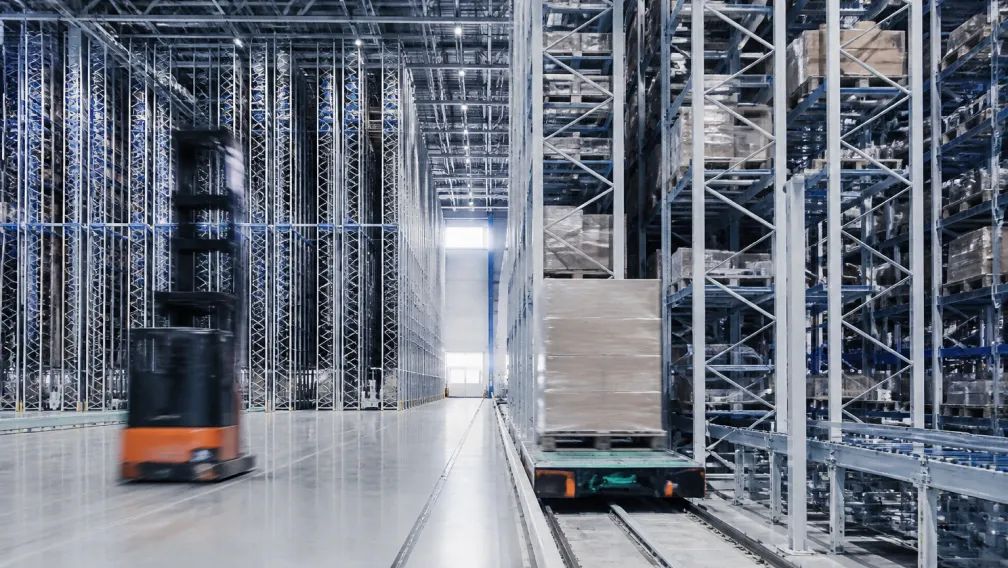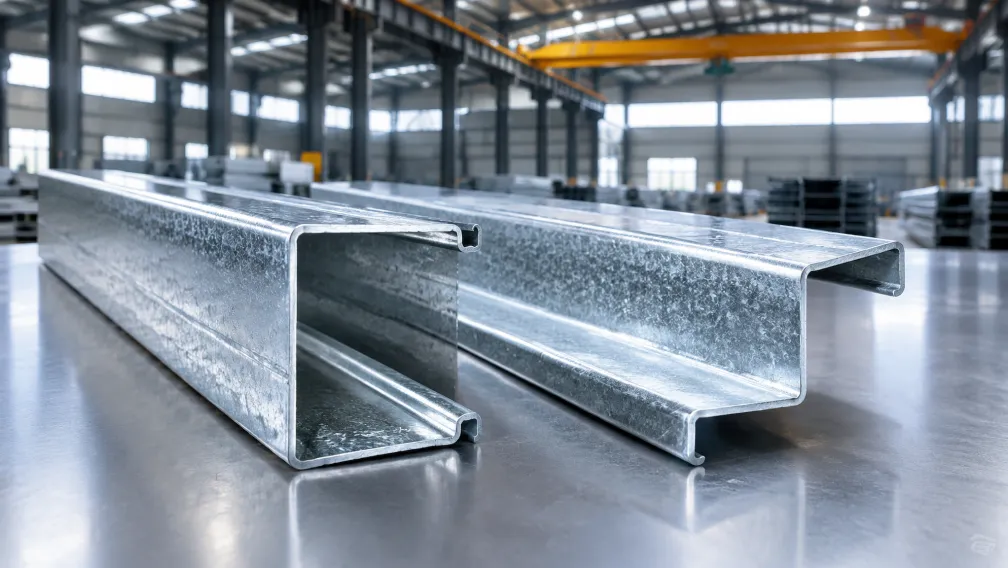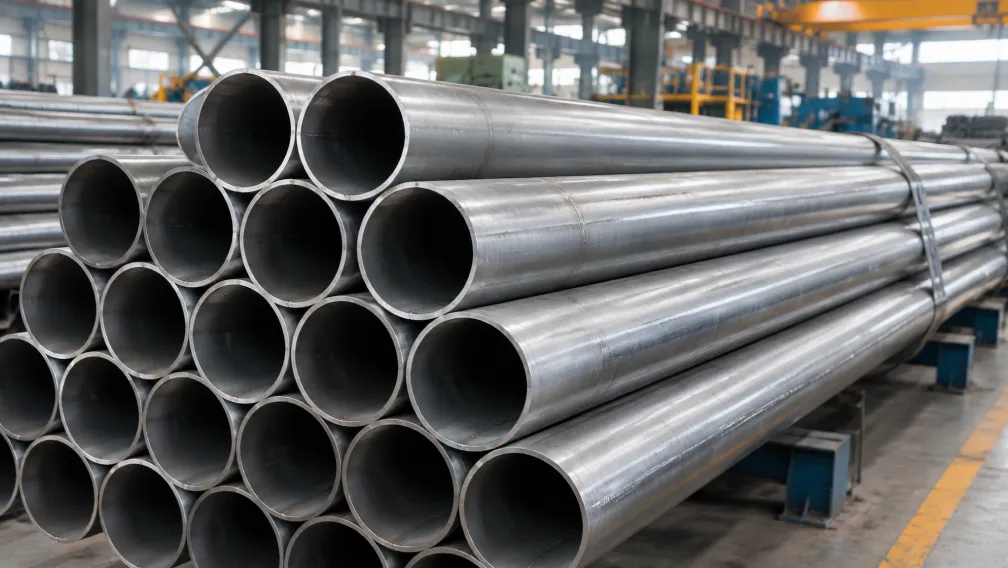


Entering the fourth quarter of 2026, global electrical infrastructure construction is experiencing a structural pivot. The exponential growth of hyperscale data centers—driven by advanced artificial intelligence computing demands—alongside the rapid deployment of EV gigafactories, has radically altered the procurement landscape for industrial cable management systems. Electrical EPC (Engineering, Procurement, and Construction) contractors are abandoning light-duty commercial cable routing in favor of heavy-duty, high-capacity steel cable trays and cable ladders. These facilities require the routing of thousands of thick, high-voltage power feeders and sensitive fiber-optic trunks, necessitating support structures engineered for extreme load capacities, stringent thermal dissipation, and rigorous seismic compliance.
For steel fabricators and electrical component manufacturers, this shift presents a highly lucrative but technically demanding market. Producing industrial-grade cable management systems requires processing high-yield steel coils into complex, heavily perforated profiles at high speeds. This industry briefing examines the technical standards driving the late-2026 cable tray market and details the continuous cold roll forming mechanics required to meet the surging demand for these critical infrastructure components.
Engineering Standards and Load Classifications
The manufacturing of cable trays and ladders is strictly governed by international electro-mechanical standards. In North America, NEMA VE 1 provides the definitive requirements for metal cable tray systems, dictating load/span class designations (such as 8A, 12C, or 20C) which define the safe working load over specific support spans. Internationally, IEC 61537 specifies the requirements and tests for cable tray systems and cable ladder systems for electrical installations.
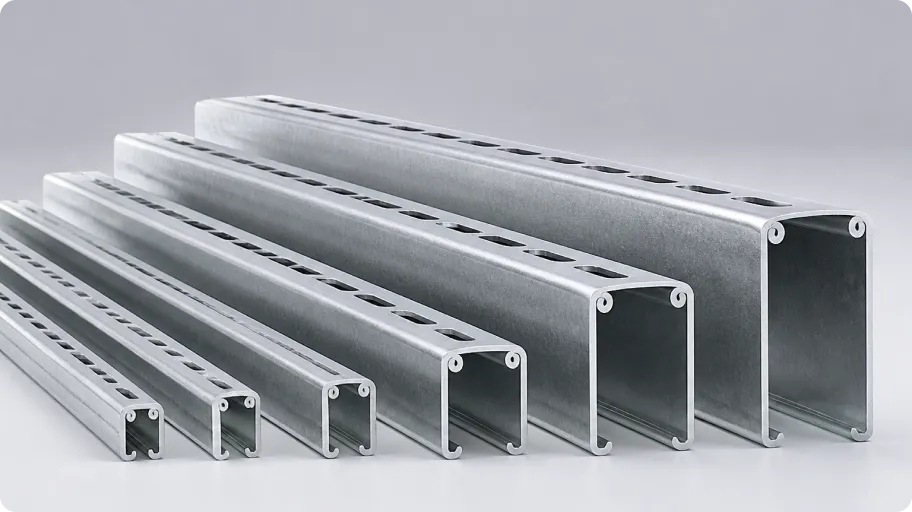
Under these codes, a heavy-duty cable tray must support not only the massive static dead weight of copper cables but also withstand dynamic loads during cable pulling and environmental stresses such as wind or ice in outdoor petrochemical installations. Deflection is heavily regulated; typical engineering specifications limit the longitudinal deflection of a fully loaded tray to 1/200 of the span. Achieving this high stiffness-to-weight ratio relies on cold-working the steel strip into deep C-channel or Z-channel side rails with returned flanges that dramatically increase the moment of inertia.
Metallurgical Requirements and Thermal Management
Industrial cable trays are typically roll-formed from low-carbon structural steels, such as Q235B or Q345B, which are subsequently hot-dip galvanized (HDG) after fabrication to ensure a continuous zinc coating over all punched edges. Alternatively, for indoor data center applications, pre-galvanized coils (DX51D+Z275 or advanced Zinc-Aluminum-Magnesium alloys) are heavily utilized to eliminate the post-fabrication galvanizing bottleneck.
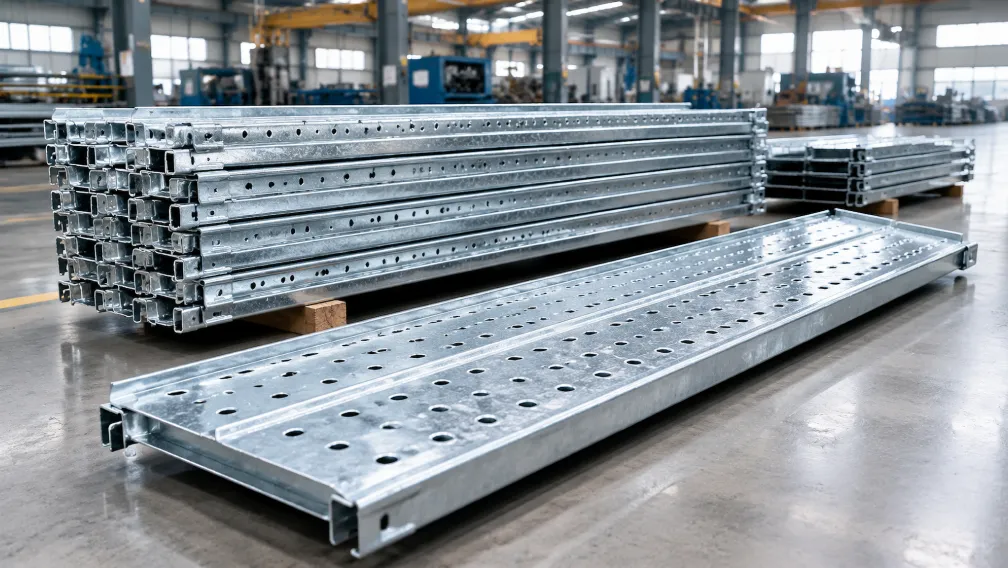
The defining feature of a modern data center cable tray is its thermal management capability. High-amperage power cables generate significant heat. To prevent cable derating (the reduction of a cable's current-carrying capacity due to thermal buildup), the steel tray must facilitate maximum airflow. This requires stamping a dense matrix of ventilation slots into the base of the tray, often resulting in an open-area ratio of 30% to 40%. Punching this volume of material from high-yield steel coils introduces severe mechanical challenges before the strip even reaches the roll forming mill.
The Perforation Bottleneck: Heavy-Duty Servo Punching
In a continuous cable management production line, the punching station is the critical path. Because the ventilation patterns are dense and the steel gauge is thick (ranging from 1.5 mm to 3.0 mm), massive tonnage is required. Manufacturers deploy 300-ton to 500-ton mechanical gantry presses or high-speed hydraulic stations equipped with multi-row progressive dies.
The accuracy of the servo feeder is paramount. It must advance the heavy steel strip with a pitch tolerance of ±0.15 mm per stroke. If the pitch deviates, the pre-punched slots will misalign with the subsequent bending radii in the roll former, causing web distortion and compromising the structural integrity of the final tray. Furthermore, punching pre-galvanized steel requires highly polished, cryogenic-treated Cr12MoV or D2 tool steel punches to prevent zinc galling—a condition where molten zinc adheres to the tooling, causing burrs and accelerating punch wear.
Roll Forming Mechanics for Cable Trays
Once perforated, the strip enters the cable tray roll forming machine. A standard solid bottom or perforated trough tray features a wide, flat web with vertical side rails that fold inward to create a safe, rounded edge. The forming mill typically consists of 18 to 24 roll stations to execute these deep 90-degree bends and return lips progressively without stretching the pre-punched web.
The defining challenge for manufacturers is product variance. A single data center project requires trays in widths ranging from 100 mm for branch circuits up to 900 mm for main power distribution. In the past, changing the width of a roll forming machine meant manually removing the outboard stands and swapping dozens of heavy steel spacers—a process requiring up to six hours of downtime.
The late-2026 industrial standard mandates automated flexibility. A modern high-tier perforated cable tray roll forming machine is built on a duplex cantilever (double-sided) chassis. One side of the forming mill is fixed, while the entire opposite side moves laterally on high-precision linear guideways driven by servo motors and ball screws. The operator simply inputs the desired tray width into the PLC touchscreen, and the machine automatically adjusts the pass line width in under two minutes. This rapid-changeover capability allows fabricators to run just-in-time (JIT) production batches, eliminating excessive finished-goods inventory.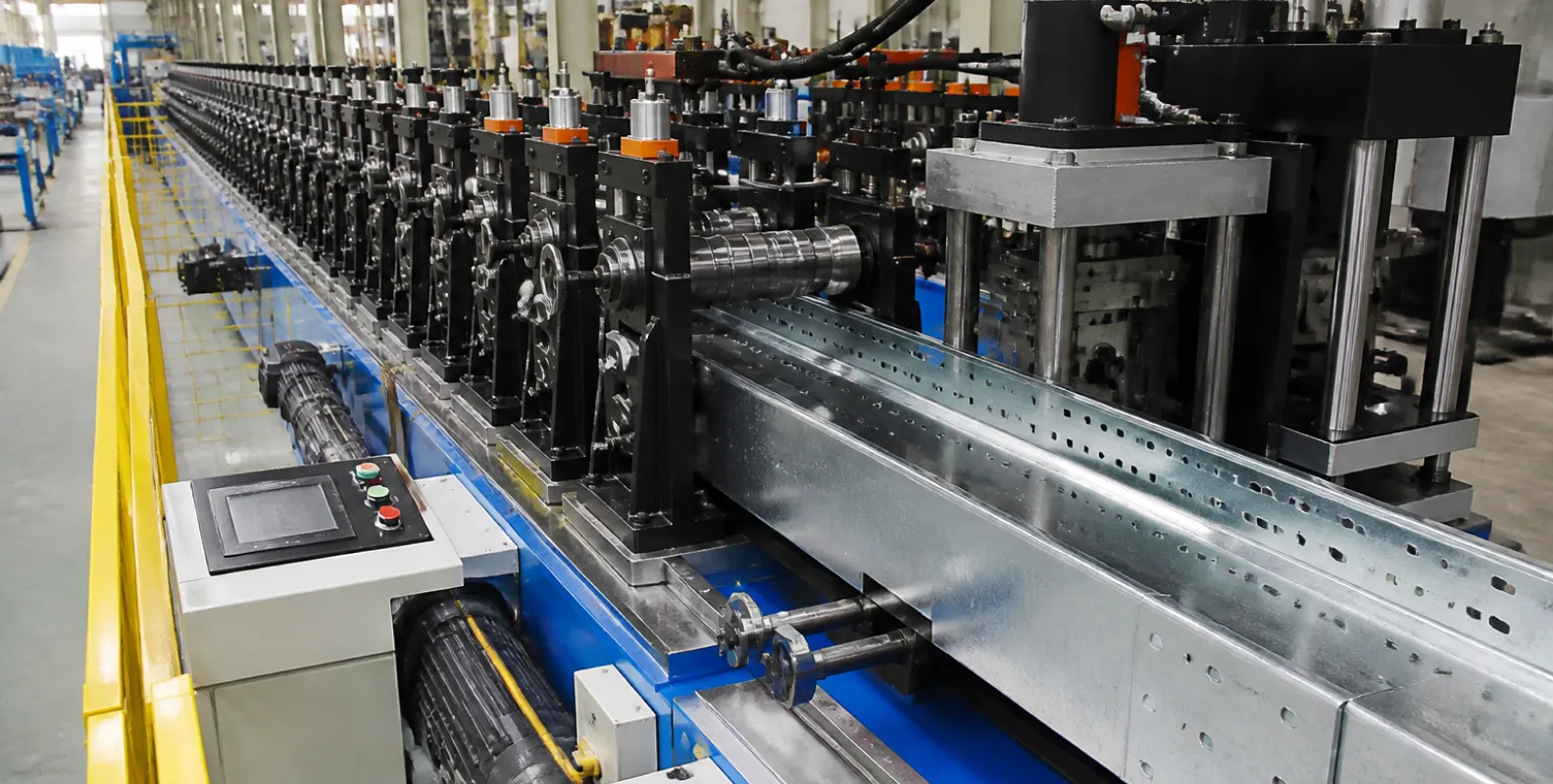
Cable Ladder Production: Engineering the Rung and Rail
While perforated trays manage general distribution, the heaviest feeder trunks are routed via cable ladders. A cable ladder provides maximum airflow and superior span capabilities (often bridging 6 meters between supports). Ladders consist of two independent side rails connected by transverse rungs.
The production of ladders requires entirely different mechanics compared to trough trays. The side rails are deeply profiled C-channels produced on dedicated roll forming lines. Simultaneously, the rungs (which are often slotted C-profiles or tubular shapes) are manufactured on a separate line. The critical operation is the assembly.
Integrating these components efficiently requires an automated assembly cell, often integrated directly downstream of a cable ladder roll forming machine. The rungs are inserted into the pre-punched side rails and fixed permanently. While traditional manufacturing relied on manual MIG welding (which distorts the steel via heat input and destroys pre-galvanized coatings), modern 2026 facilities utilize automated TOX clinching technology. Clinching uses extreme localized mechanical pressure to interlock the rung and rail without heat or consumables, preserving the zinc coating and providing a joint highly resistant to vibration and fatigue.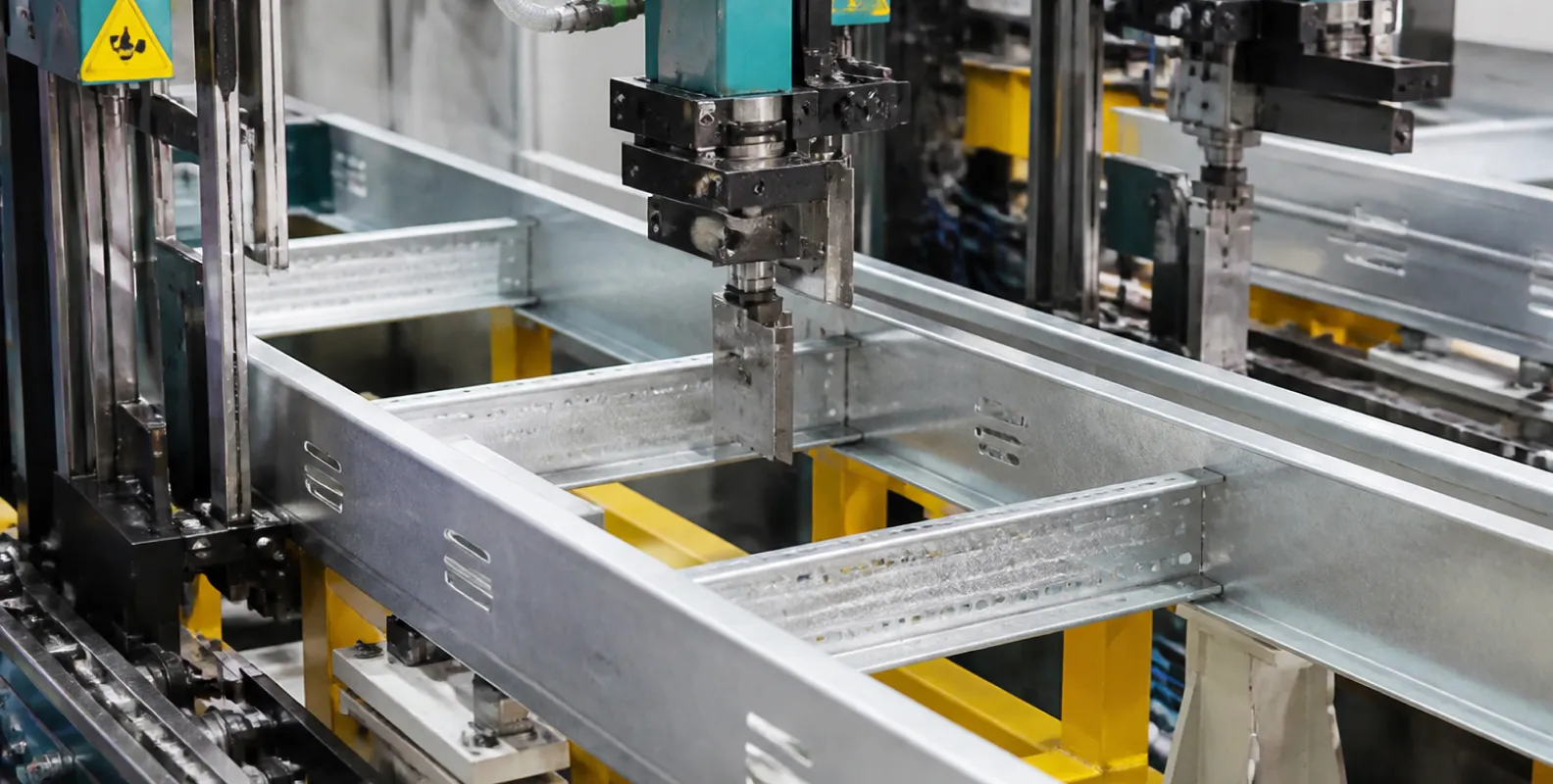
Hydraulic Tracking Shears and Line Control
Both tray and ladder roll forming lines require non-stop cutting technology to maintain commercial viability. Stopping a heavy strip to cut it induces severe shock loads into the drive train and causes profile distortion at the halting point. Therefore, these lines employ hydraulic flying tracking shears. The cutting carriage accelerates via a servo motor to synchronize with the exact speed of the moving profile. Once speed is matched, a custom-profiled cutting die slices cleanly through the complex cross-section without crushing the vertical flanges. The line runs continuously at speeds of 12 to 20 meters per minute, directly stacking the finished components for immediate dispatch to the job site.
Strategic Implications for EPCs and Fabricators
The current volume of data center and industrial construction has exposed severe bottlenecks in the traditional procurement of heavy-duty cable management systems. Relying on external suppliers for specialized tray widths or heavy-gauge ladders frequently results in multi-month lead times, threatening critical project energization dates.
By bringing production in-house with automated, rapid-changeover roll forming technology, regional steel fabricators and large-scale EPCs gain absolute control over their supply chain. They can process widely available raw steel coils into high-margin infrastructure components on demand, completely bypassing the volumetric freight penalties associated with shipping pre-fabricated, empty trays across oceans.
THRONCH specializes in the engineering and manufacturing of fully automated, continuous roll forming production lines for industrial cable management. Our heavy-duty systems are designed specifically for thick-gauge structural steels, featuring servo-driven width adjustments, high-tonnage perforation presses, and non-stop tracking shears. To review plant layouts, punching die configurations, and customized line specifications for your upcoming infrastructure projects, contact our engineering group at amy@thronch.com.
-

THRONCH
Cold Roll Forming Machine Manufacturer
THRONCH is a direct manufacturer specializing in custom cold roll forming lines and welded pipe mills. With over a decade of engineering expertise, we share technical insights and deliver high-precision