Solar and support systems order profiles by the container, in repeated lengths and fixed hole patterns. Equipment for this industry wins on recipe control, fast changeover and punching accuracy, because every array design becomes a stored program that reruns identically.
Utility-scale ground-mount plants consume rails and posts in large repeated volumes. Recipe control and automatic cutting match this order pattern, and ZAM or galvanized strip covers outdoor corrosion duty.
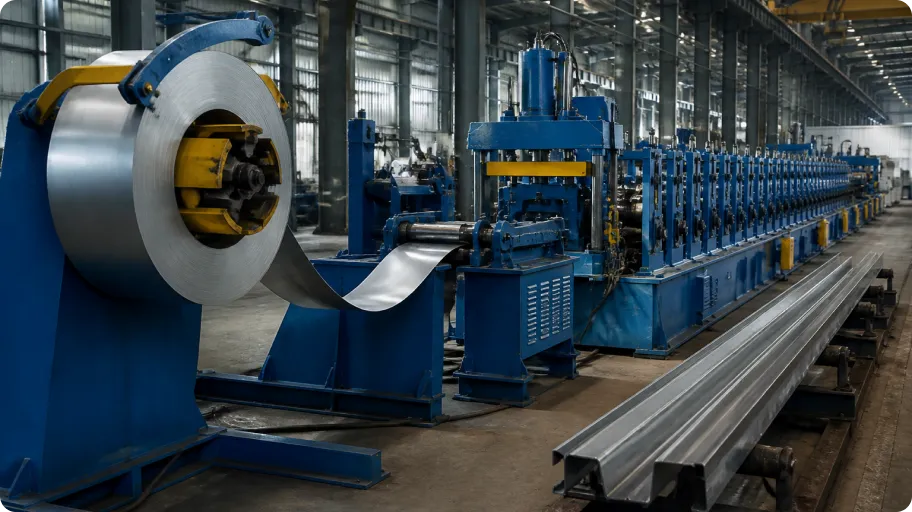
Rooftop systems use lighter channels and rails at zero point three to one point five millimeters. The light-gauge line runs at up to thirty meters per minute for volume orders.
Solar carports mix heavy posts with purlin-style rails. The U profile range from forty-one by forty-one to forty-one by eighty-two millimeters covers both duties in strip up to three millimeters.
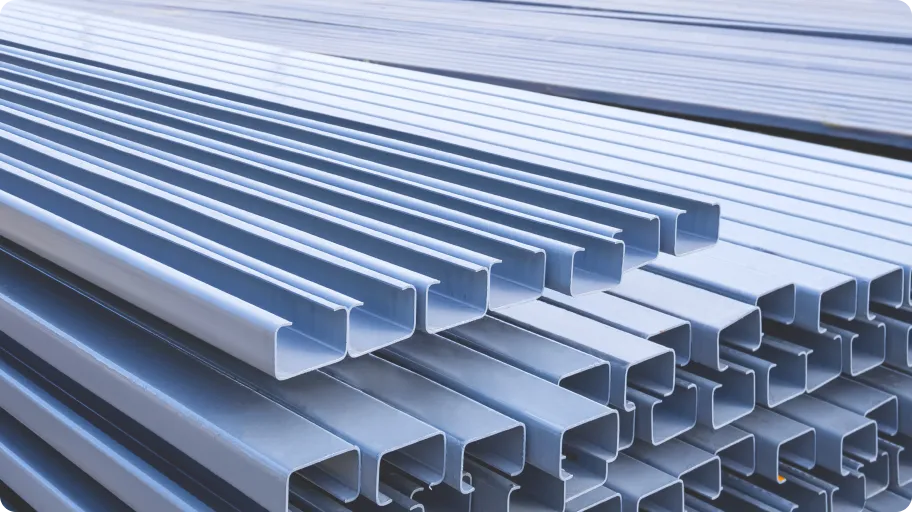
Strut channels frame pipe supports, duct hangers and equipment frames in mechanical and electrical work. Hole positions follow the support design, so per-drawing punching is required on every piece.
Seismic bracing for pipes, ducts and cable systems uses strut frames with punched connection holes. Building codes in active seismic zones are driving steady demand for bracing channel production.

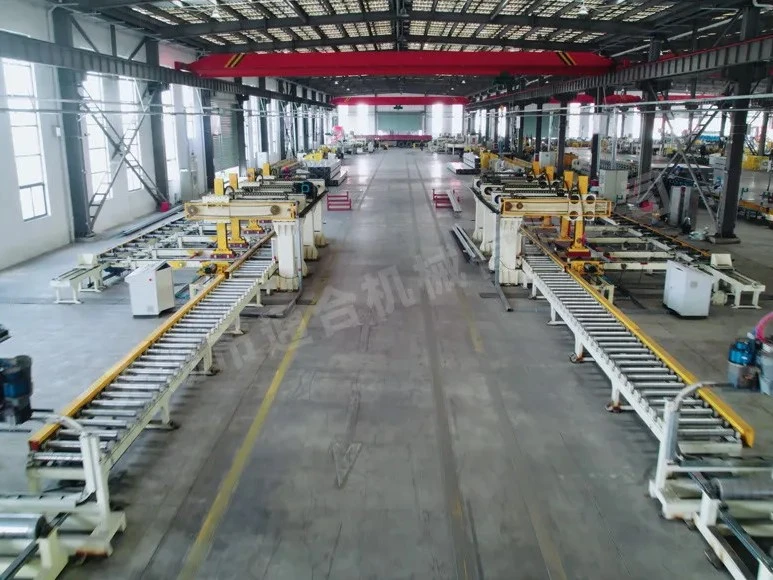
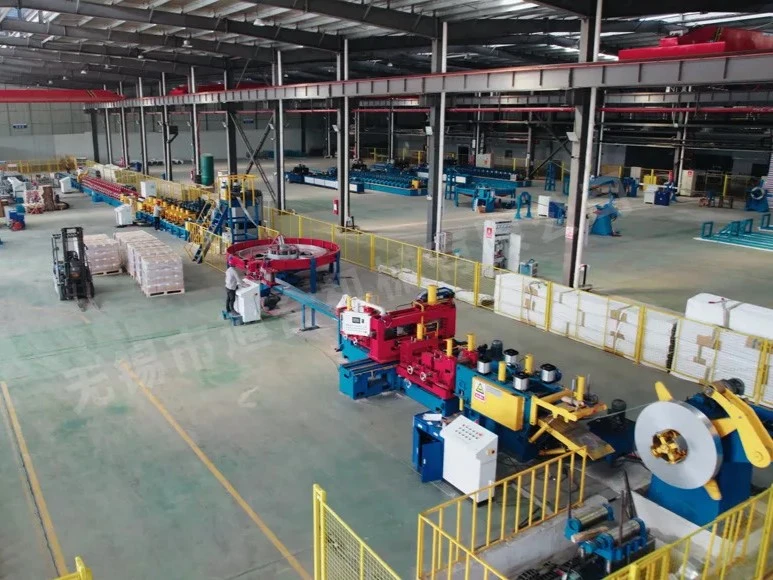
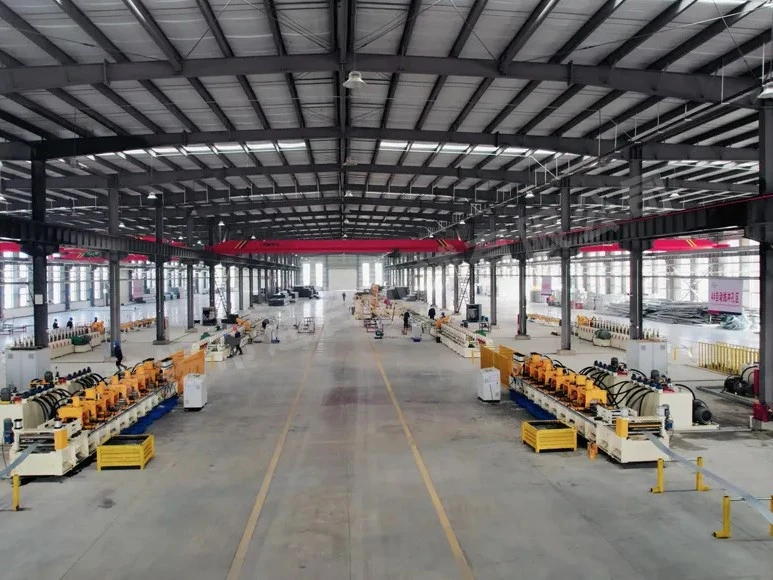
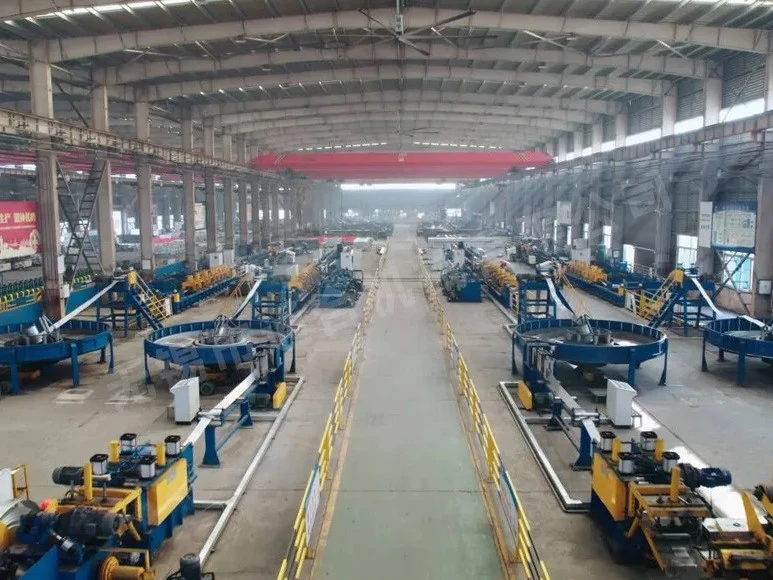
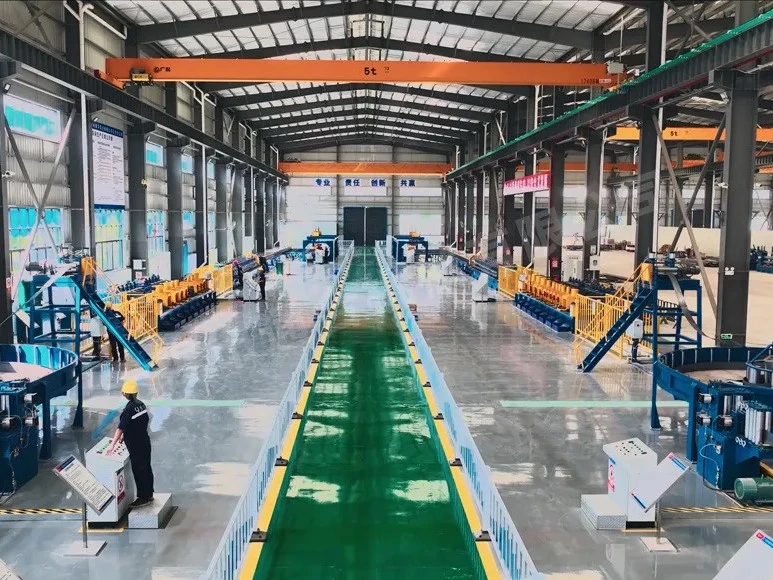
Wuxi Tonghe Machinery manufactures cold roll forming equipment in Wuxi, China. Since 2011, the company has built CZ purlin machines, PV bracket lines, guardrail lines, cable tray lines and custom profile lines for customers in over 30 countries. The factory covers about 30,000 m² and employs 200+ staff, including a 50+ R&D team. Production is ISO9001 certified and products carry CE marking.
About Us Certifications Engineering Cases
Strut channels, U41 to U82 solar mounting profiles, rails and posts for ground-mount and rooftop arrays. All sections are tooled per your drawings.
C channels from one hundred to six hundred millimeters in zero point three to one point five millimeter strip, and U profiles from forty-one by forty-one to forty-one by eighty-two millimeters in strip up to three millimeters. Length sets on the PLC from five hundred to six thousand millimeters.
Yes. Holes and slots are punched inline before forming, positions follow your mounting drawings, and each pattern is stored as a recipe for repeat orders.
Hot-dip galvanized and ZAM coated strip are the common choices. ZAM carries self-healing cut edges, which matters because solar profiles are full of punched holes and cut ends.
Light channels run at up to thirty meters per minute, and heavier U profiles at fifteen to forty meters per minute depending on thickness.
Yes. PV mounting lines built by Tonghe are running in Algeria, Dubai and Hungary, with commissioning and operator training included in each project.
Send your profile drawings with dimensions, strip thickness and material grade, hole patterns, target output and plant voltage. Tooling and configuration are specified against these five items.
Solar mounting is a volume business with thin margins, and the production line decides both. Profiles are simple, but they ship by the container with fixed hole patterns, so the winning line is the one that reruns stored programs without setup loss. This guide covers the checks worth making.
Ground-mount systems order rails and posts in long repeated runs, rooftop systems order lighter channels, and carports mix both. List the profiles in your mounting catalog with thickness and hole patterns, and let that list choose between the light channel line and the heavy U profile line, or both.
A solar profile is only as good as its holes, because arrays assemble by bolt, not by welding. Confirm that punching units hold position at full line speed and that every hole pattern stores as a PLC recipe. Profiles that arrive ready to bolt are the whole value of the product.
Inland projects run on hot-dip galvanized strip, while coastal and high-corrosion sites increasingly specify ZAM coated strip for its self-healing cut edges. Solar profiles carry many punched holes and cut ends, so coating behavior at the edge is a real selection point.
Work backward from your signed projects. A rooftop channel line at thirty meters per minute and a U profile line at fifteen to forty meters per minute cover serious tonnage on a single shift. Share your monthly target and we will size the configuration to it.
Five items let us specify a solar and strut line correctly: profile drawings with dimensions, strip thickness and material grade, hole patterns, target output, and plant voltage. With these confirmed, tooling, punching units and layout are quoted against your production plan.
We're THRONCH, a direct factory in Wuxi, China, building custom roll forming lines for purlins, highway guardrail, cable tray, strut channel, and welded tube. Send us your profile drawing and get a line proposal within 24 hours.
Talk to our engineers