Cable trays and ladders are ordered against project schedules, in mixed widths and hole patterns. Equipment for this industry must change sizes quickly and punch every hole inline, because electrical contractors buy on delivery time as much as on price.
Office and retail buildings order perforated trays and trunking in many widths for power and data cabling. Quick size changeover matches the mixed order pattern of building projects.
Data centers run ladder and tray systems in large volumes with strict delivery schedules. Consistent hole quality matters because trays join and ground through punched connections.
Power plants and substations use heavy trays and ladders in galvanized or stainless material. Strip up to two point five millimeters and widths to one thousand two hundred fifty millimeters cover these specifications.
Oil, gas and petrochemical sites specify stainless steel or aluminum trays for corrosive atmospheres. Tooling for these materials is matched to the grade during line design.
Tunnels, metros and airports order long runs of identical tray sections. Recipe storage reruns each specification identically across project phases.

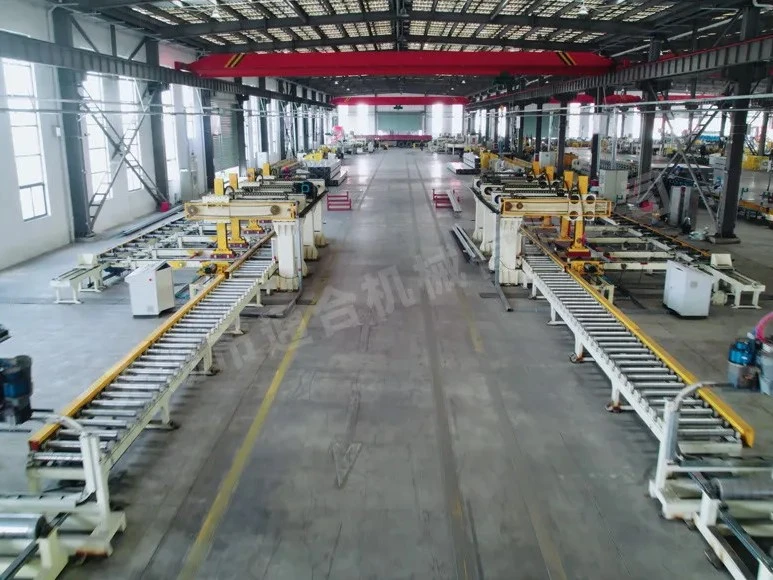
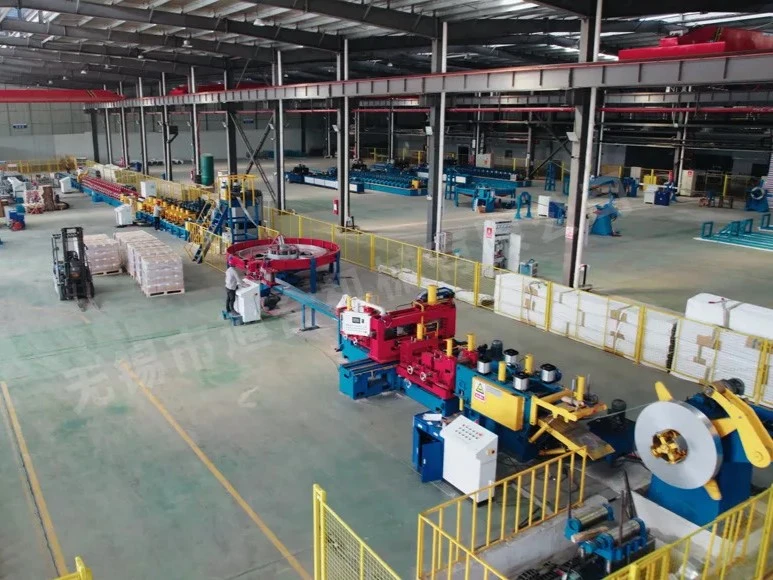
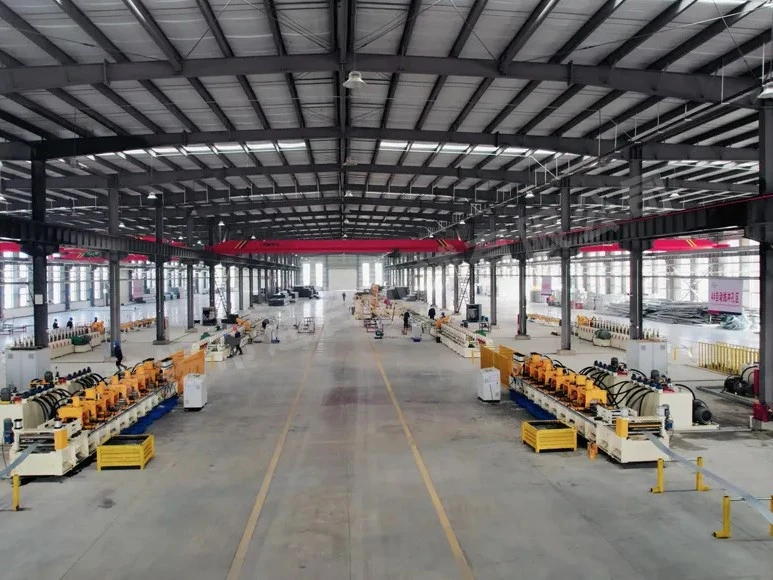
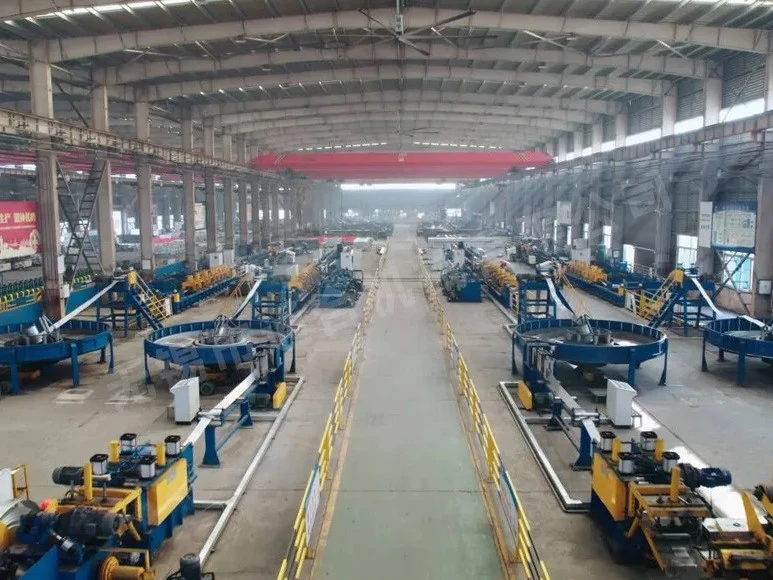
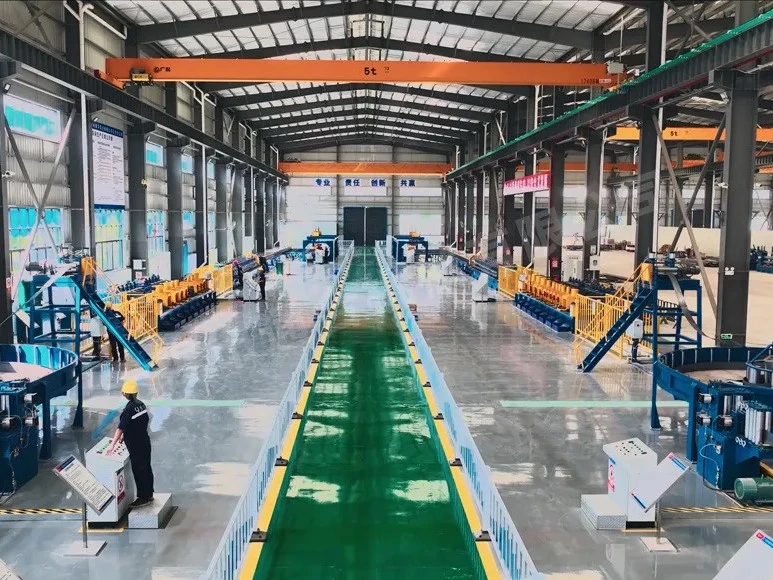
Wuxi Tonghe Machinery manufactures cold roll forming equipment in Wuxi, China. Since 2011, the company has built CZ purlin machines, PV bracket lines, guardrail lines, cable tray lines and custom profile lines for customers in over 30 countries. The factory covers about 30,000 m² and employs 200+ staff, including a 50+ R&D team. Production is ISO9001 certified and products carry CE marking.
About Us Certifications Engineering Cases
Perforated cable trays, solid trunking, and cable ladders with formed side rails and rungs. Profiles are tooled per your drawings.
Tray widths from two hundred fifty to one thousand two hundred fifty millimeters in strip from zero point eight to two point five millimeters, with side heights per your catalog.
Yes. Ventilation holes and cable tie slots are punched before forming, with servo positioning holding the pattern at full speed. Hole layouts follow your drawings.
Six material options are supported, including pre-galvanized and hot-dip galvanized strip, stainless steel and aluminum. Tooling is matched to the material grade.
Tray lines run at one to fifteen meters per minute depending on width and thickness. Wider and thicker trays run slower.
Yes. A cable ladder line forms the side rails and rungs, and an assembly station joins the sections. Many tray plants add ladder production as a second line.
Send your tray and ladder drawings with dimensions, thickness and material grade, hole patterns, target output and plant voltage. We specify tooling and configuration against these items.
Cable management products look simple, but the buyers behind them are electrical distributors and project contractors who order mixed widths on tight schedules. Tray and ladder products are specified against standards such as NEMA VE 1 and IEC 61537, so dimensions and load classes come from the standard, and the machine must hold them. This guide covers the checks worth making.
Electrical projects buy trays, trunking and ladders together, so a plant that produces only one of them leaves orders on the table. Plan the machine list against your target catalog, and add ladder production when project work is part of your market.
Ventilation holes, tie slots and connection holes define a cable tray. A line that punches them inline delivers trays ready to install, and a line that skips punching leaves you drilling every piece. Confirm punch tooling follows your hole drawings and stores patterns as recipes.
Indoor commercial work runs on pre-galvanized strip, outdoor and industrial sites specify hot-dip galvanized or stainless, and weight-sensitive racks use aluminum. Each material behaves differently in the rolls, so tooling must be specified per grade. List your target materials before ordering.
Tray widths from two hundred fifty to one thousand two hundred fifty millimeters cover most building and industrial demand. Check that width changeover is quick and that side height adjusts to your catalog, because electrical distributors order the full width range.
Five items let us specify a cable management line correctly: tray and ladder drawings with dimensions, strip thickness and material grades, hole patterns, target output, and plant voltage. With these confirmed, tooling, punching units and layout are quoted against your production plan.
We're THRONCH, a direct factory in Wuxi, China, building custom roll forming lines for purlins, highway guardrail, cable tray, strut channel, and welded tube. Send us your profile drawing and get a line proposal within 24 hours.
Talk to our engineers