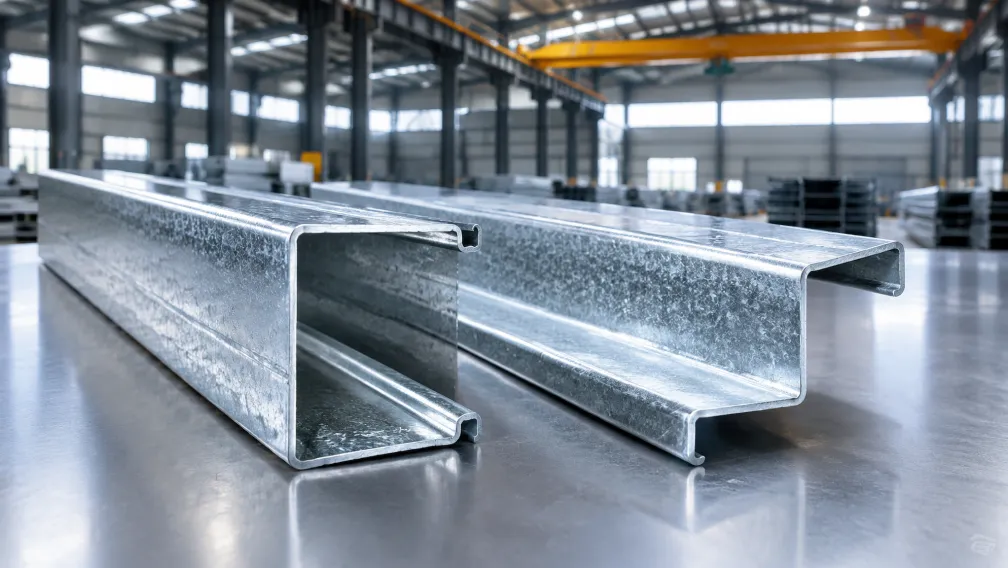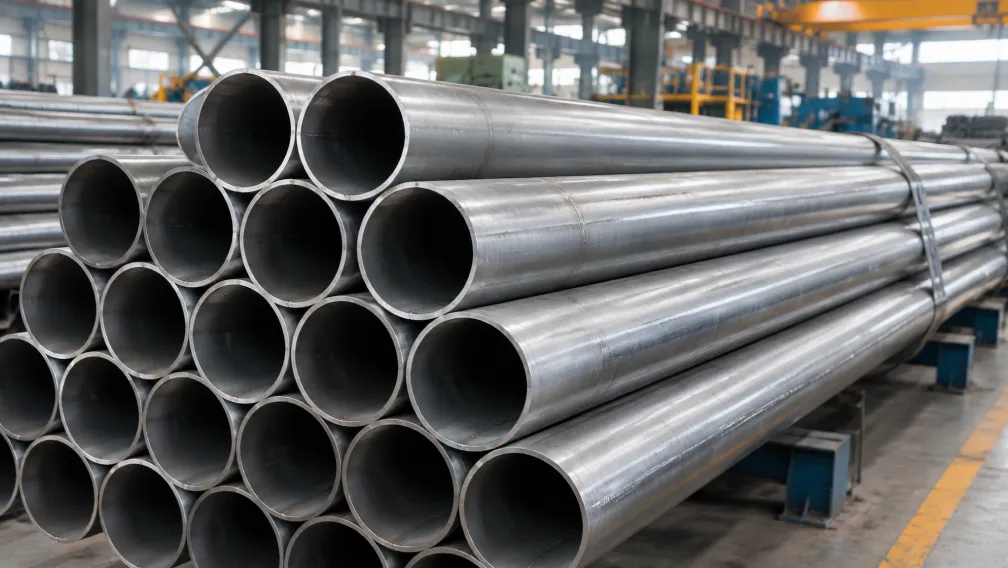


Three developments in the first half of October 2026 are shaping the cost base of every cold roll forming operation that buys strip or sells sections into export markets. In the United States, hot-rolled coil prices extended a month-long rally after a reheating line outage tightened domestic supply. In China, galvanized coil held a narrow range near RMB 4,000 per tonne as cost support met slow post-holiday orders. In Europe, the European Commission published the third-quarter CBAM certificate price at €82.32 per tonne of CO2, the highest quarterly figure since the definitive regime began in January. None of these moves is dramatic on its own. Together they define the purchasing and pricing environment for the final quarter of 2026, and they reward fabricators who plan coil procurement and export documentation earlier than their competitors.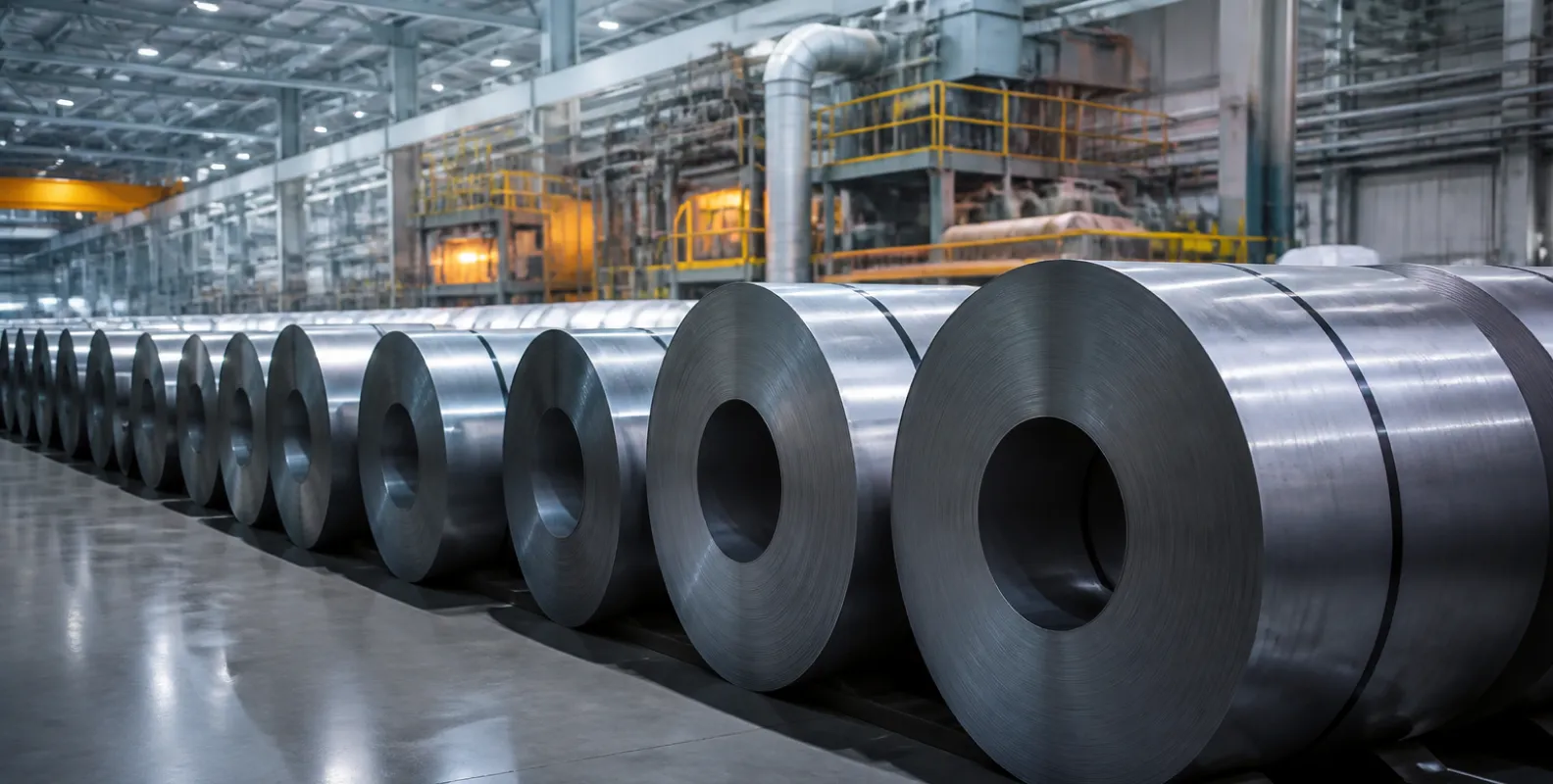
US Hot-Rolled Coil Extends Its October Rally
Steel Market Update put the domestic hot-rolled coil average at $1,280 per short ton in the week of October 15, up $10 from the previous week and $40 from a month earlier. The futures market moved faster: at the close on October 12, CME fourth-quarter hot-rolled futures priced $1,295 per short ton, a month-over-month gain of $63, and the 2027 forward curve rose $80 against September. The trigger was the loss of a reheating line at a large Southern mill, which removed slab conversion capacity at a moment when service center inventories were already lean.
The scrap side of the market confirms that this is a supply-driven move rather than speculation. The spread between hot-rolled coil and prime busheling scrap widened for the thirteenth consecutive month in October and sits at a multi-year high: coil at $1,280 per short ton against busheling at $480 per gross ton. Mills are holding price discipline because order books allow it, and import offers provide little relief, with coil import volumes down sharply this year under the current tariff structure. Buyers waiting for a quick correction are working against that backdrop.
For roll forming operations in North America, the practical consequence is that strip offers are firming faster than finished-section prices can be renegotiated. Contract fabricators quoting purlins, deck, or framing members on 60 to 90 day validity carry real margin risk when the substrate moves $40 per ton inside a month. Two habits limit that exposure: quoting with a raw material index clause tied to a published HR coil assessment, and holding four to six weeks of coil for the sections that run continuously, such as CZ purlin programs, rather than buying spot for every order.
China Galvanized Coil Holds Near RMB 4,000 Per Tonne
The Chinese galvanized coil market, which sets the reference price for much of the export strip that feeds roll forming lines in Southeast Asia, the Middle East, and Africa, traded sideways through the first half of October. Mysteel-based market assessments put domestic galvanized coil oscillating around RMB 4,000 per tonne, a level the market has tested repeatedly since the start of the year. Zinc prices remain firm and the underlying hot-rolled and cold-rolled substrates show limited downside, so the cost floor is solid. What is missing is demand: terminal orders after the National Day holiday came back slowly, and high inventories cap any upward move.
Export business faces an additional constraint. Anti-dumping measures in several destination markets continue to complicate direct shipments of Chinese coated coil, which pushes more trade toward third-country processing and toward shipping finished or semi-finished sections instead of raw strip. For overseas fabricators buying Chinese galvanized strip, the sideways market is actually good news for budgeting: input costs for the fourth quarter are more predictable than at any point since 2023, and fixed-price coil contracts for November and December delivery can be placed without carrying a large risk premium.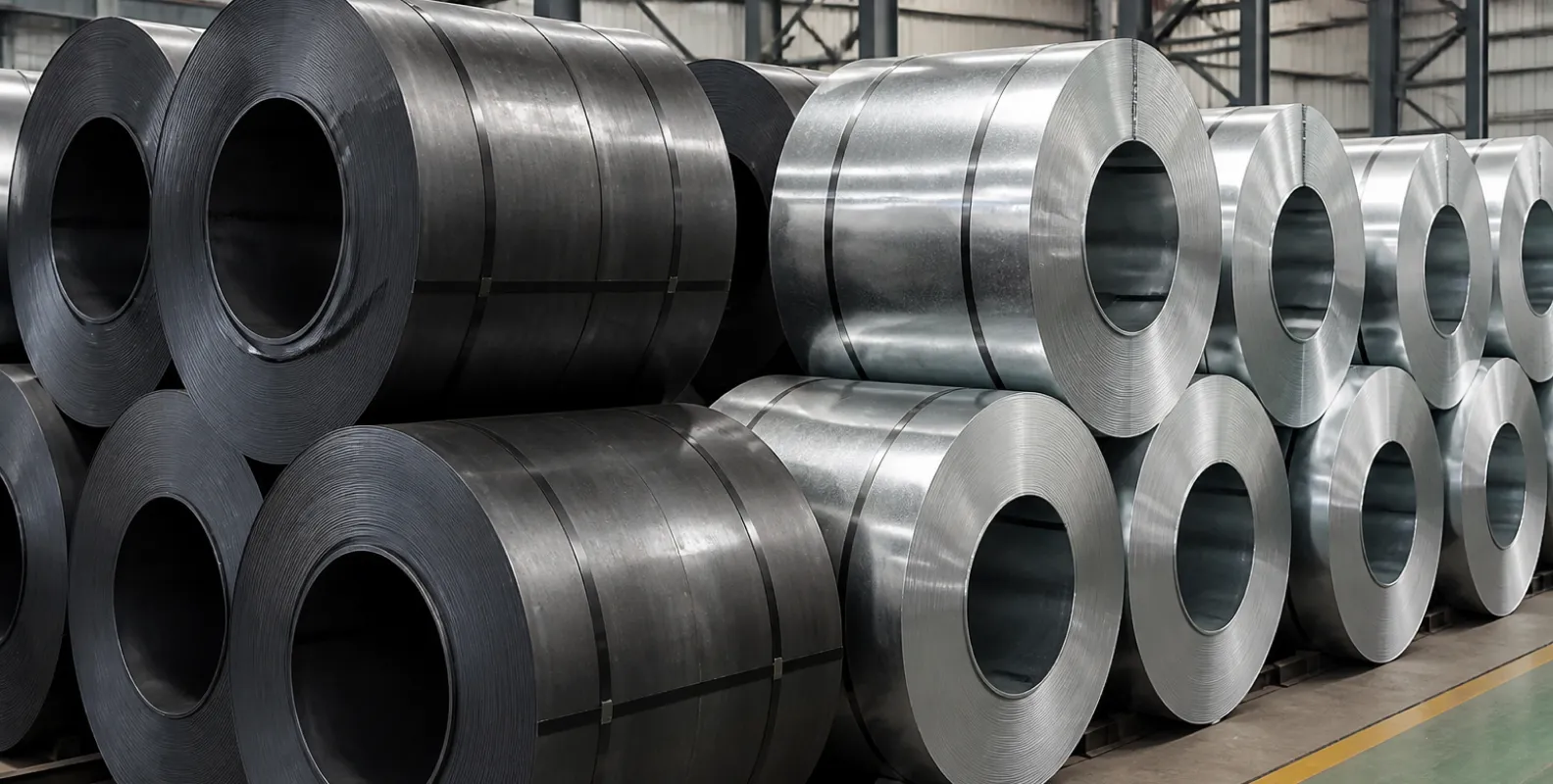
The Quarter at a Glance
| Market | Mid-October 2026 reading | Direction | Main driver |
|---|---|---|---|
| US hot-rolled coil | $1,280 per short ton; Q4 futures $1,295 | Rising | Mill outage, lean inventories |
| China galvanized coil | Around RMB 4,000 per tonne | Sideways | Cost support vs slow demand |
| EU CBAM certificate (Q3) | €82.32 per tonne CO2 | Rising | EU ETS auction prices |
EU CBAM Certificate Price Rises to €82.32 for Q3 2026
The European Commission published the third-quarter CBAM certificate price on October 5 at €82.32 per tonne of CO2, up from €75.36 in the first quarter and €75.28 in the second. The Carbon Border Adjustment Mechanism has been in its definitive regime since January 1, 2026, and every tonne of embedded carbon in covered iron and steel imports now carries a financial liability that accrues through the year, even though certificates only go on sale in February 2027.
The Compliance Points That Matter This Quarter
- The 50-tonne de minimis threshold exempts small importers, but any importer above it needs authorised CBAM declarant status, and obligations apply to all imports in the calendar year once the threshold is crossed, not just the tonnage above it.
- Actual emissions data from the producing installation must be verified by an accredited third-party verifier. Where verified data is unavailable, Commission default values apply, and those values are set at the high end of observed emission intensity, which prices carbon at a worst-case rate.
- The first annual declaration covering 2026 imports, together with certificate surrender, falls due on September 30, 2027. The data being assembled on shipments leaving factories now is what that declaration will contain.
The quarterly certificate price matters even though no certificates are sold this year. It is the number importers use to provision their 2026 liability, and at €82.32 the carbon line on a tonne of blast-furnace-origin steel now adds roughly €150 or more to landed cost at typical default emission intensities. That figure moves with EU ETS auctions, so European buyers have started treating carbon exposure like a currency exposure: something to be priced into contracts rather than absorbed at declaration time.
Default values are where the real cost sits for unprepared supply chains. An EU importer buying structural sections or guardrail from a supplier without verified emissions data will be charged on default values, and that surcharge increasingly appears in purchase negotiations as a price deduction or a documentation precondition. Exporters who can hand their EU customers an installation-level, verifier-ready emissions dataset in the fourth quarter of 2026 are protecting their 2027 order books.
What This Means for Roll Forming Operations
The common thread across the three stories is that cost risk has moved from the steel price itself to the structure around it: indexation clauses in North America, export routing in Asia, and carbon documentation in Europe. Fabricators running highway guardrail roll forming machine lines or tube and section mills sell into project markets where the steel price is only one line of the landed cost, and the October data says the other lines are moving.
Three actions fit most operations this quarter. First, fix fourth-quarter coil cover now, while the Chinese export reference is stable and before the US rally feeds into global flat-steel sentiment. Second, if you sell sections or machines into the EU, treat verified emissions data as a sales document, the same way a mill test certificate is, and build the dataset during 2026 production rather than reconstructing it in 2027. Third, review quotation validity periods and raw material clauses against the current volatility: $40 per short ton inside a month erases the margin on a tightly priced guardrail or purlin contract. Companies investing in their own production capacity this cycle are also finding that a modern automatic roll forming machine line, with material utilization tracking and per-piece data logging, makes both the cost control and the carbon record-keeping substantially easier than on older equipment.
Plan Your 2027 Line Investment With Current Market Data
THRONCH tracks coil markets and trade policy across the regions our machines ship to, because line configuration decisions, from decoiler capacity to coil car specification, depend on the strip supply you will actually buy. If you are planning a purlin, guardrail, or tube line for 2027, send us your target sections and market, and our engineers will return a configuration with a realistic raw material and compliance picture for your region. Contact us at amy@thronch.com.
-

THRONCH
Cold Roll Forming Machine Manufacturer
THRONCH is a direct manufacturer specializing in custom cold roll forming lines and welded pipe mills. With over a decade of engineering expertise, we share technical insights and deliver high-precision