What a Hat Channel Roll Forming Machine Produces
A hat channel is a cold-formed steel section shaped like a top hat: a raised central web with sloped or vertical sides and two outward flanges that sit flat against the supporting surface. The flanges take the fasteners, and the raised top creates a cavity for wiring, insulation or drainage. Depending on the market, buyers call this product a hat channel, a top hat section or an omega profile. The machine on this page forms the structural version of the profile, 40-150 mm high, from strip up to 400 mm wide, at 10-30 m/min.
One Profile, Three Market Names
The same hat-shaped cross section sells under different names in different regions. North American buyers specify hat channel for roofing and framing work. British, Australian and Southeast Asian structural markets order top hat sections as an economical substitute for purlins and timber roof support. European drawings usually mark the profile as an omega section. Purchasing terms differ, but the forming requirement is the same profile family, and one tooling set on this line covers the full dimensional range. When inquiring, a section drawing removes any ambiguity that regional naming creates.
Section Geometry: Height, Flange and Web Angle
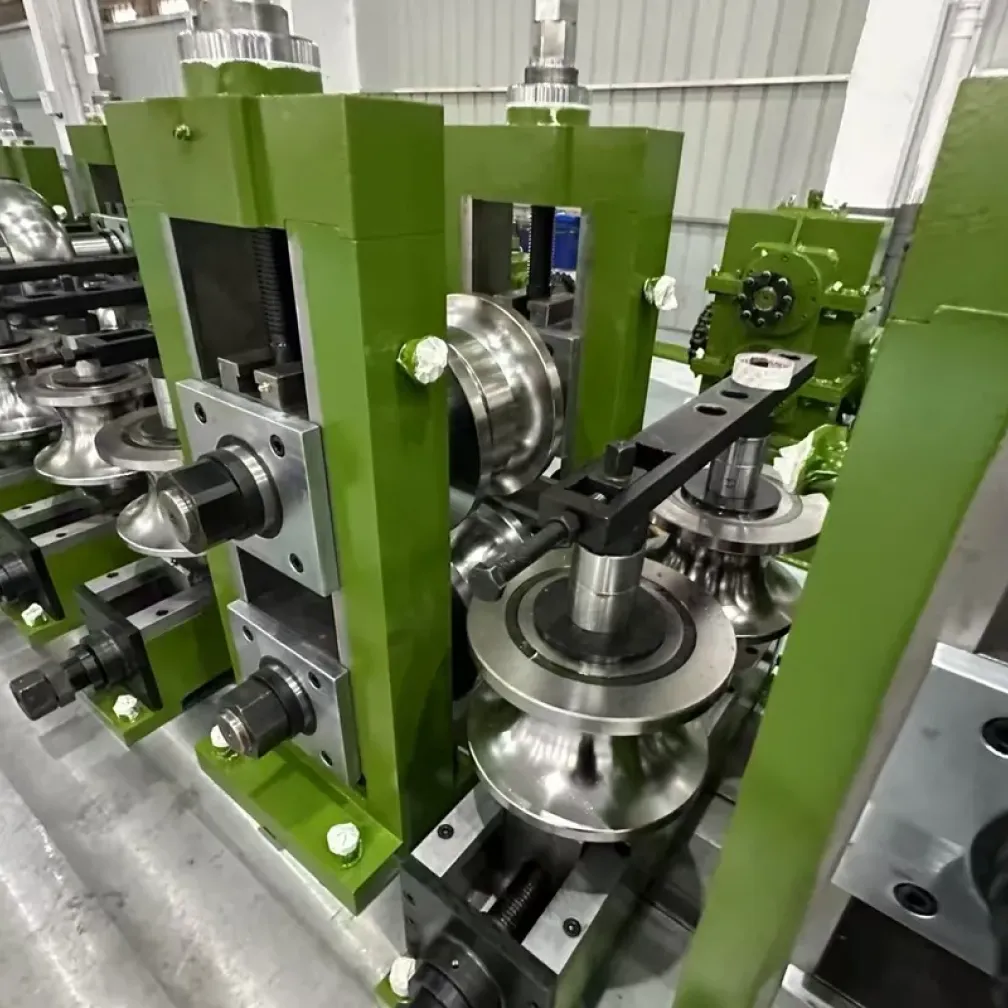
Three dimensions define a hat section: the overall height, the flange width that carries the fasteners, and the angle of the sloped sides. This line covers heights of 40-150 mm with web angles of 65, 75 or 90 degrees. A steeper angle raises section stiffness for a given strip thickness, while a lower angle nests more compactly for transport. The angle is fixed by the roll tooling at order stage, so the section drawing should state it explicitly. Flange widths and lip details follow the same drawing, and inline punching places fixing holes or slots in the flanges or web before forming.
Materials for Structural and Agricultural Duty
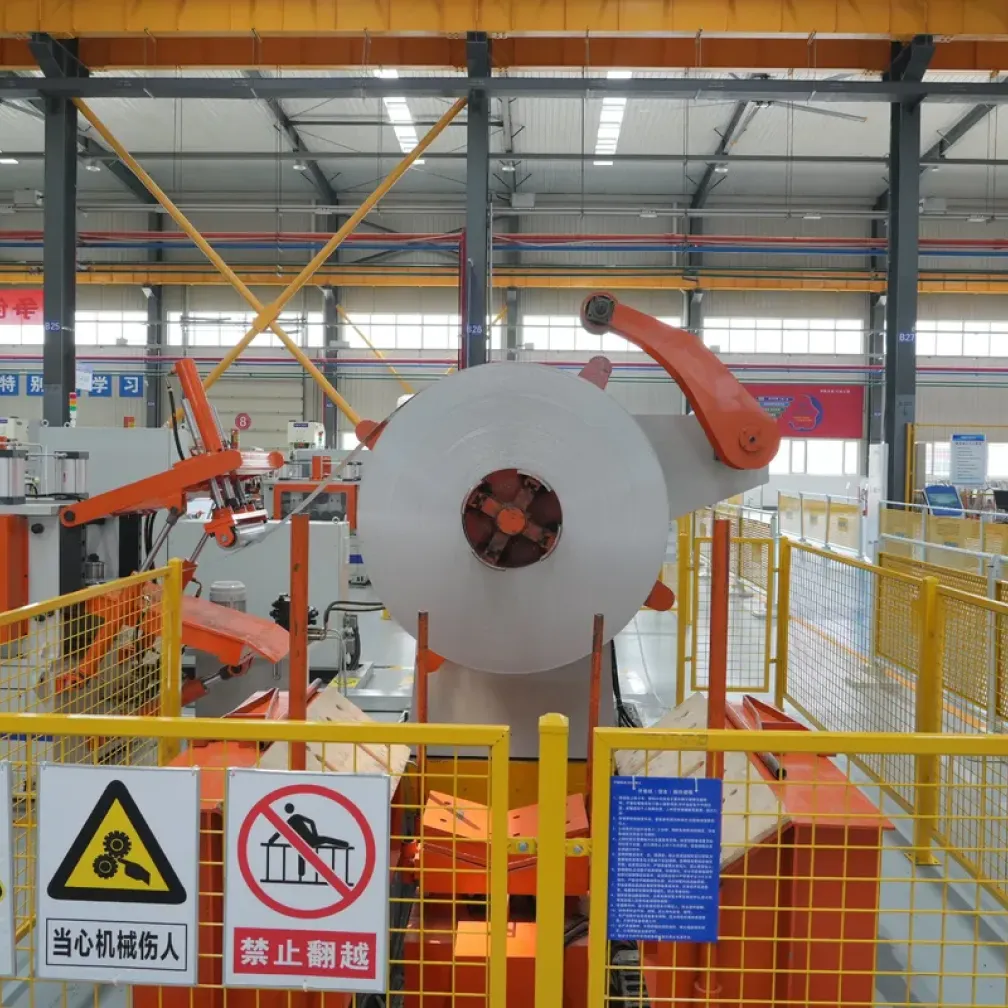
Hat sections work in two demanding environments. In steel buildings they serve as roof battens and support members under sheeting. In greenhouses and livestock buildings they face condensation, fertilizer vapor and ammonia, which attack conventional zinc coatings. For the second case, ZAM strip offers measurably longer coating life, and this line runs ZAM as a standard material alongside hot-rolled, cold-rolled and galvanized strip. Coil capacity up to 10 tons keeps the line productive on structural orders, and the shear and butt welder with horizontal looper removes coil-change stops from the shift plan.
Hat Channel or Furring Channel
Buyers sometimes confuse the structural hat section with the light furring channel used in drywall and ceiling systems. The furring product is a light-gauge profile, typically under 1 mm, produced at very high speed for the interior finishing trade. The line on this page is built for structural sections in galvanized and ZAM strip. A light-gauge furring configuration can be quoted where that is the target product; the two products need different mill sizing and cut-off capacity, so the product mix should be stated at inquiry.
Main Applications
- Roof support battens and secondary framing in steel structure buildings
- Greenhouse and agricultural building frames
- Solar mounting structure members
- Container and vehicle body framing
- Warehouse equipment and municipal engineering structures
What To Prepare Before Requesting a Quote
- Section drawing with height, flange width, web angle and lip details
- Strip thickness range and coating type for the target market
- Hole or slot pattern, if sections arrive on site pre-punched
- Monthly output target and main cut lengths
- Site power supply and preferred electrical brands
FAQ
What is the difference between a hat channel and a C purlin?
A C purlin has a deep web and lipped flanges for primary purlin duty. A hat channel has a shallow raised top and outward mounting flanges, which suits secondary roof support, battens and framing where the section fastens flat against another surface. The two profiles carry loads differently and require different roll tooling.
Is a top hat section the same product as an omega profile?
Yes. Top hat is the common term in British and Commonwealth markets, omega profile is the European term, and hat channel is the North American term. All three describe the same hat-shaped cross section family that this line produces.
Which web angle should the section use?
The 90-degree version gives the highest stiffness per thickness. The 65 and 75-degree versions nest better for container loading and are common where transport volume matters. The structural designer fixes the angle; the tooling is then built to match.
Can the line run coated strip without surface damage?
Yes. Galvanized and ZAM strip are standard materials for this line, and roller surfaces are prepared for coated strip. Coating condition is verified during the pre-shipment trial run on the order material.
What delivery and commissioning terms apply?
Standard configurations ship in 30-45 days and customized lines in 60-90 days, following a factory trial run. THRONCH engineers install the line, complete commissioning and train operators at the buyer site.