What a Storage Rack Roll Forming Machine Produces
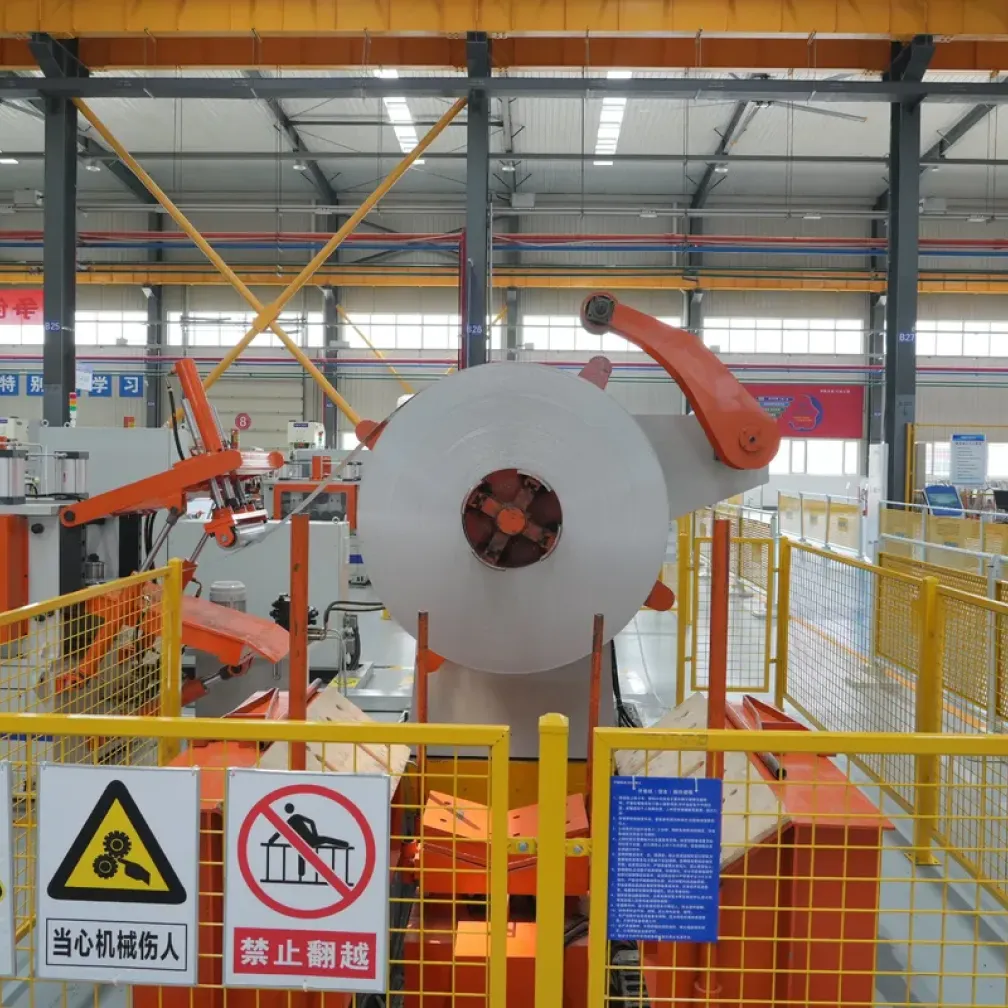
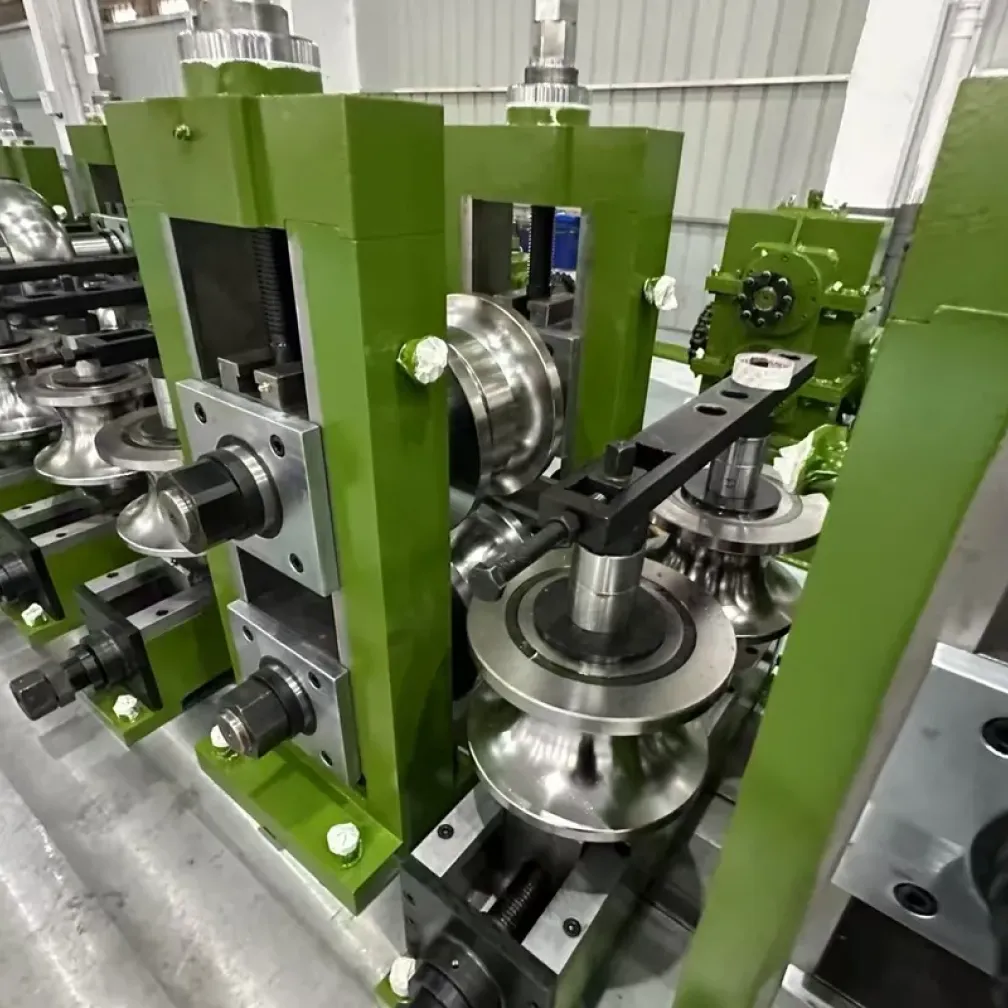
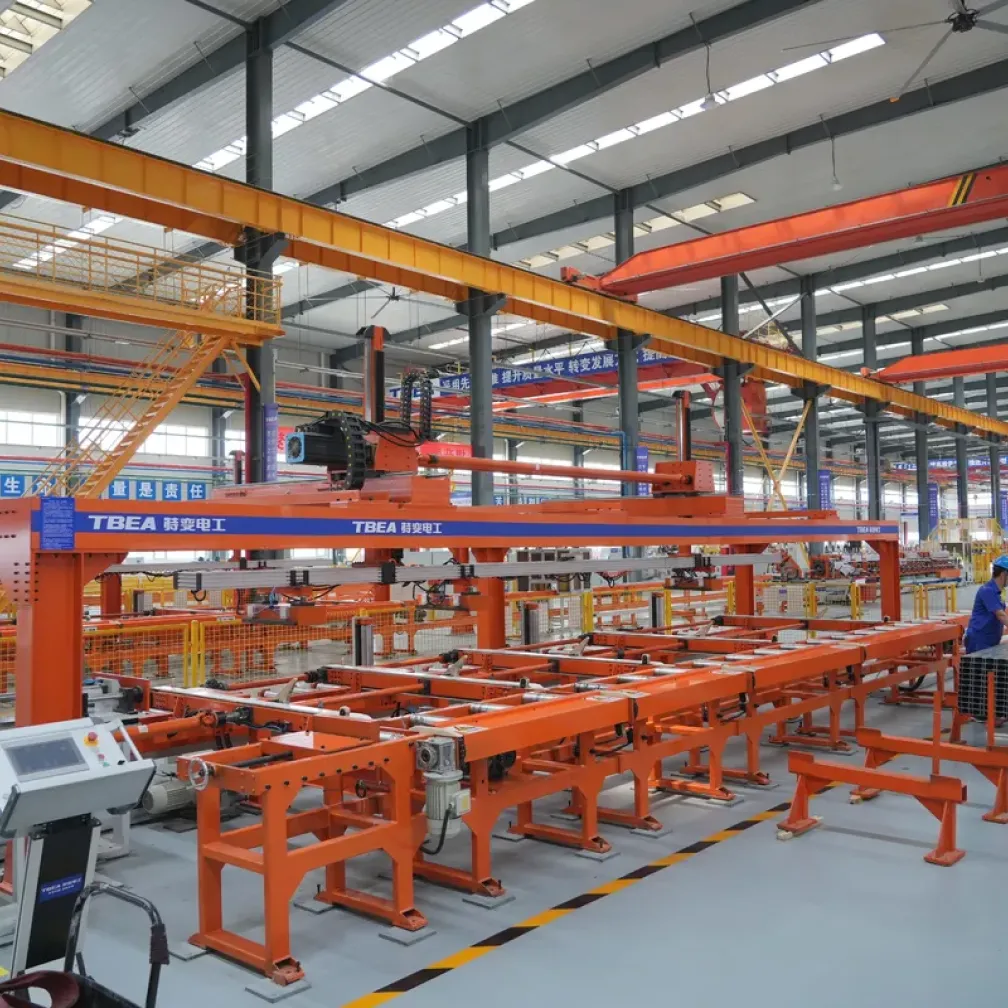
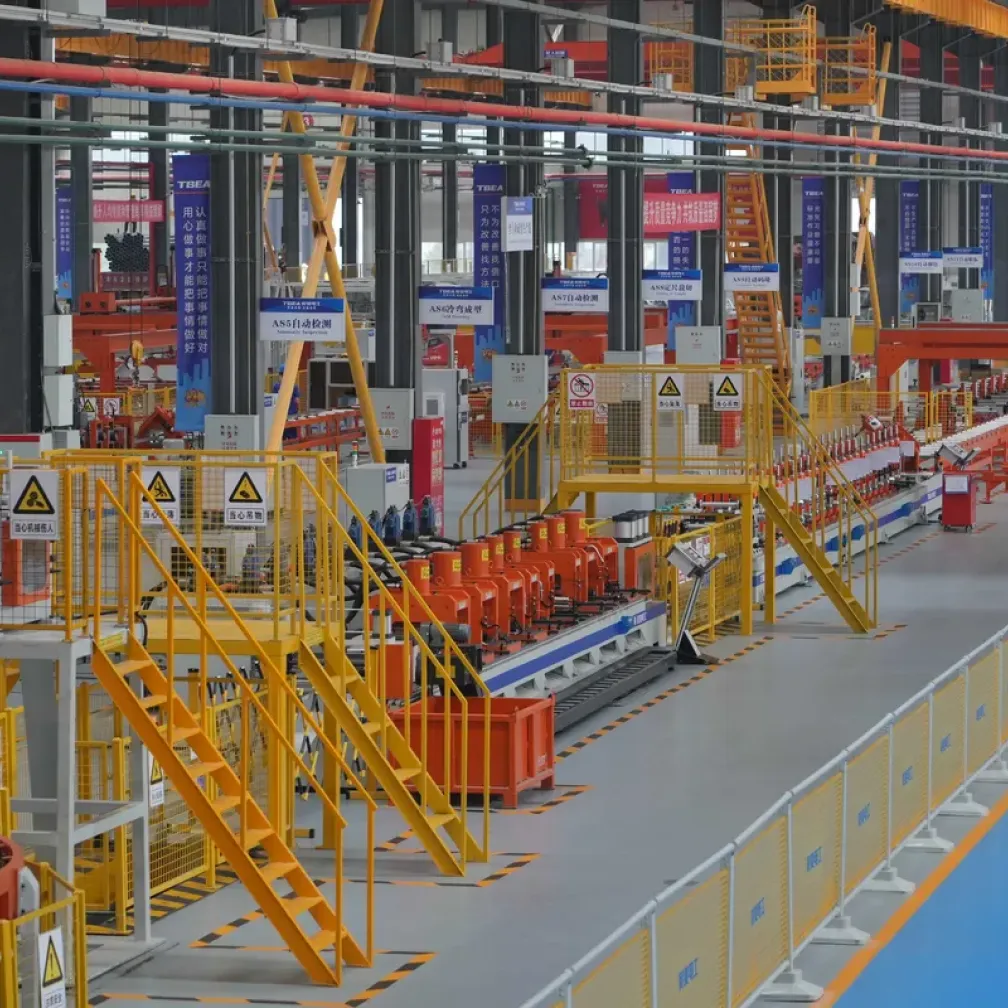
A warehouse rack is an assembly of roll-formed steel parts. Upright columns form the vertical frames and carry a regular pattern of holes or slots along their length. Horizontal beams connect into those holes through welded or riveted end connectors, which lets shelf levels adjust without tools. Shelf panels or decks close the levels. The machine on this page produces all three component types from 0.5-2.5 mm strip: servo-fed punching stations place the hole pattern while the strip is flat, the stands form the profile, and a flying shear cuts parts to length at line speed.
Upright Holes Define the Rack System
The hole pattern in the upright is the interface of the whole rack system. Beam connectors lock into it, so the hole shape and pitch decide which beam designs the rack accepts and how finely shelf heights adjust. Rack systems on the market use proprietary patterns, teardrop holes being the most widespread, and pattern loyalty is strong: distributors and end users stock beams for one pattern and reorder it for years. For the producer, this makes inline punching the most important station on the line. Dies are built to the chosen pattern, pitch accuracy is held by the servo feeder, and a pattern change is a die exchange rather than a line rebuild.
Light Shelving or Heavy Pallet Rack
The product range divides by load duty. Light and medium shelving for retail stores, workshops and spare-part warehouses runs in the 0.5-2.5 mm strip range that this line covers, with color coated or PVC laminated panels where appearance matters. Heavy pallet racking for forklift-served warehouses uses thicker uprights and box-section beams, which call for a heavier mill build. The target rack class belongs in the first inquiry, because it decides mill sizing, punching tonnage and the cut-off unit.
One Line, a Full Rack Program
- Upright columns with the system hole pattern, punched inline
- Beams and bracing profiles for frame assembly
- Shelf panels, including color coated and laminated finishes for retail fixtures
Profile changes between component types are made by tooling sets on the same mill base. A producer can therefore enter the market with the upright profile and add beam and panel tooling as the customer base grows, which keeps the initial investment aligned with actual orders.
Main Applications
- Warehouse and logistics center racking
- Supermarket and retail store shelving
- Factory workshop and spare-part storage systems
- Department store and hardware retail fixtures
What To Prepare Before Requesting a Quote
- Profile drawings for upright, beam and panel sections
- Hole pattern drawing with shape, pitch and any connector standard
- Strip material, thickness range and surface finish per component
- Target rack class and monthly output per component type
- Site power supply and preferred automation level
FAQ
What is the difference between storage shelving and pallet racking?
Shelving serves hand-loaded storage in retail, workshop and parts warehouse duty, in the strip thickness range this line covers. Pallet racking carries forklift-placed pallet loads and uses heavier uprights and box beams. The rack class in the inquiry decides the mill build.
Can the line punch the upright hole pattern?
Yes. Servo-fed punching stations place holes and slots inline before forming, with shape and pitch taken from the pattern drawing. A change to a different system pattern is a die exchange.
Are beams and shelf panels produced on the same line?
Yes. Uprights, beams and panels run on the same mill base with their own tooling sets. Many producers start with the upright profile and add the other tooling sets as orders grow.
Can the line run pre-finished strip for retail shelving?
Yes. Color coated and PVC laminated sheet are standard materials on this line, with roller surfaces prepared so the finish survives forming and punching without marking.
What delivery and commissioning terms apply?
Standard lines ship in 30-45 days and customized configurations in 60-90 days, after a trial run on production strip. THRONCH engineers install and commission the line on site and train operators before handover.