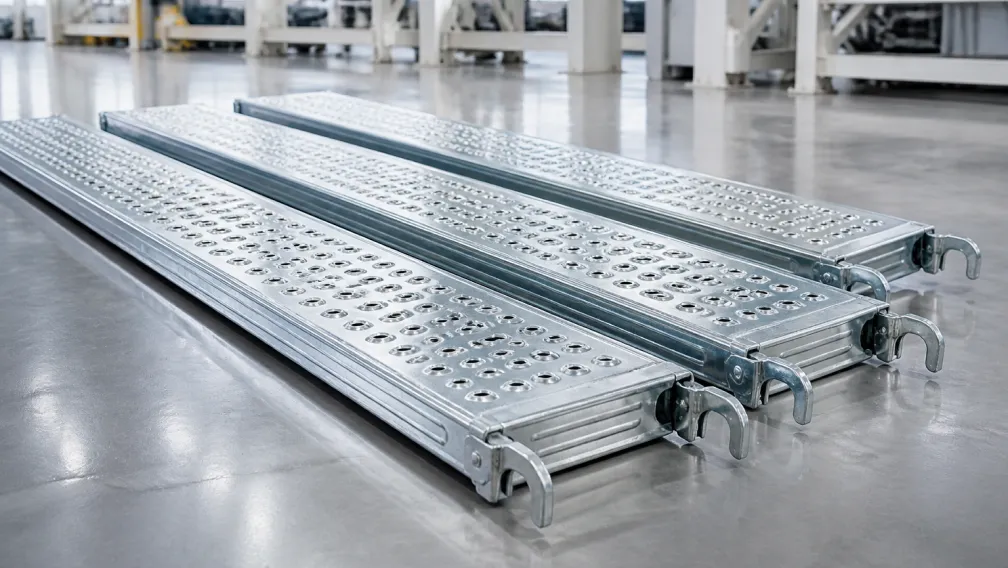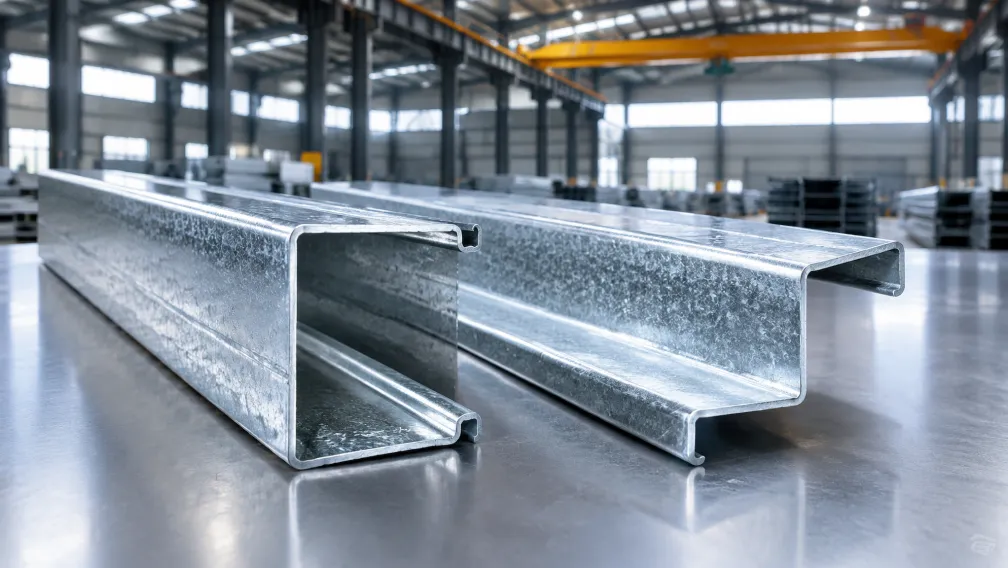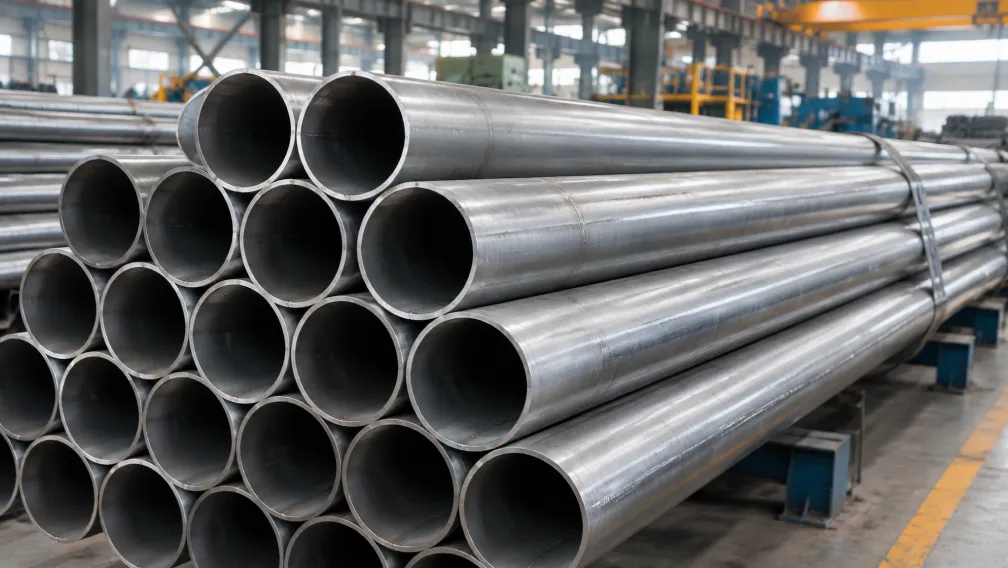


During the first three weeks of October 2026, utility-scale photovoltaic infrastructure encountered simultaneous structural shifts across procurement, global logistics, and trade policy. As gigawatt-scale solar installations accelerate across the Middle East, North America, and Central Asia, procurement teams face unprecedented pressure on finished steel bracket imports. Stricter local value-addition mandates, intensifying anti-dumping scrutiny on pre-fabricated steel components, and volatile maritime freight rates have altered project financial models. Rather than importing finished channels and tracker profiles, Tier-1 EPC contractors and regional steel fabricators are transitioning to localized manufacturing, purchasing dedicated roll forming equipment to convert domestic or imported steel coil on-site.
Tightening Trade Regulations and Domestic Value Mandates
Trade defense instruments and domestic industrial policy have reshaped the economics of structural steel supply chains entering the final quarter of 2026. In the United States, updated regulatory clarifications regarding domestic content bonus calculations under the Inflation Act have raised the financial threshold for structural racking. Projects aiming to secure domestic manufacturing subsidies must verify that structural framing components, including ground-mount piers, purlins, and tracker torque components, undergo substantial transformation within domestic facilities.
Concurrently, trade compliance frameworks across Europe and the Middle East are enforcing tighter origin tracking. The Gulf Cooperation Council (GCC) region has seen Saudi Arabia reinforce its In-Kingdom Total Value Add (IKTVA) benchmarks for utility solar tenders under the National Renewable Energy Program (NREP). EPC consortiums submitting bids for projects exceeding 1.5 GW in late 2026 must demonstrate localized fabrication percentages above 50% to maintain eligibility. Furthermore, anti-dumping and countervailing duty investigations initiated earlier this year against imported welded hollow sections and pre-punched structural profiles have prompted project developers to remove finished profile import lines from long-term risk registers.
The Freight and Volumetric Cost Penalty of Finished Profiles
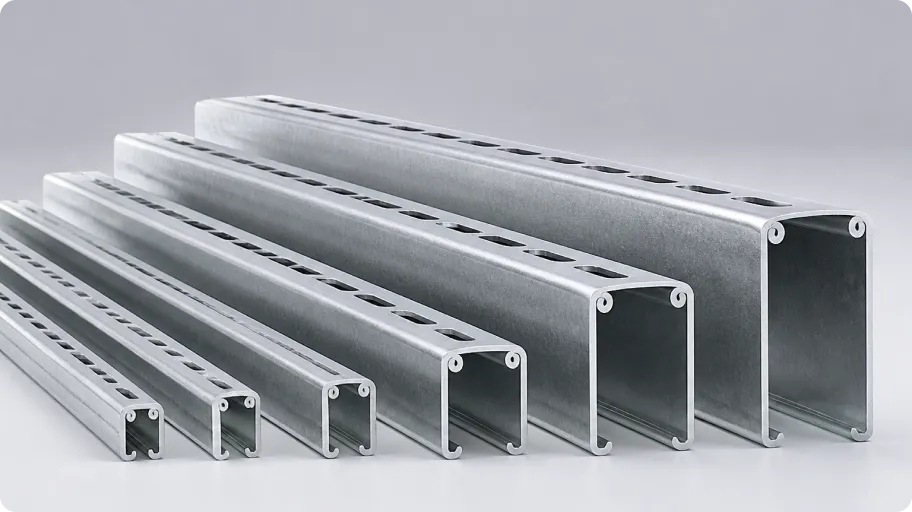
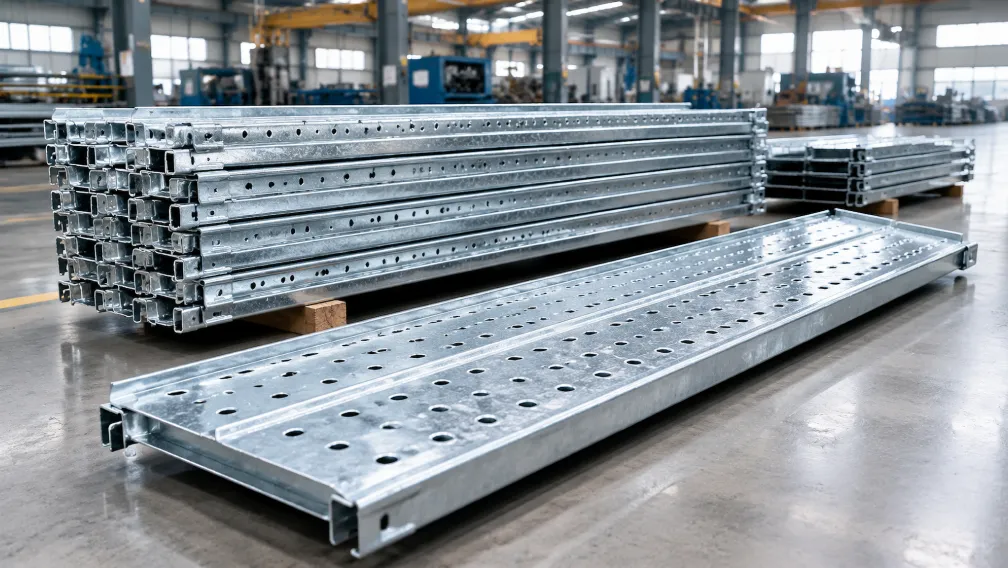
Beyond regulatory constraints, the physics of international container shipping heavily penalizes cross-border trade in finished mounting components. Structural solar channels, including C-channels, omega profiles, and strut channels, possess complex geometry with punched slots, returned lips, and pre-formed stiffener ribs. When packaged for export, these profiles exhibit poor packing density compared to flat-rolled raw materials.
A standard 40-foot high-cube maritime container carries roughly 26 to 28 tonnes of dense steel coil. In contrast, bundled and nested cold-formed solar profiles rarely exceed 16 to 20 tonnes per container due to dimensional stowage limits and center-of-gravity distribution constraints. Freight buyers pay full container slot rates while shipping substantial amounts of empty air within profile hollows. Transporting flat-rolled steel coils to destination ports and running them through an automated solar mounting production line eliminates volumetric freight penalties, protects pre-galvanized coatings from extended oceanic salt-spray exposure, and reduces dock-to-field delivery cycles from twelve weeks to under three days.
Structural Comparison: Finished Profile Import vs. On-Site Roll Forming
| Evaluation Parameter | Importing Pre-Fabricated Profiles | Local In-Country Roll Forming |
|---|---|---|
| Shipping Density | 16-20 tonnes per 40ft HC container (low packing efficiency) | 26-28 tonnes per container (full payload utilization via coil) |
| Trade Barrier Exposure | High; subject to fabricated structural steel tariffs and anti-dumping duties | Minimal; raw substrate coils face standard primary material tariffs |
| Domestic Content Qualification | Zero local transformation credit; disqualifies projects from subsidies | High local value addition; complies with IKTVA, DCR, and local content rules |
| Profile Modification Lead Time | 8 to 14 weeks for redesign, mill rolling, and international transit | Immediate; digital punch pattern and cut length adjusted via PLC interface |
| Coating Degradation Risk | Surface white rust and scratch risk during multi-leg ocean transit | Minimal; coil processed locally just-in-time for site installation |
| Capital Expenditure | Zero machine investment; recurring high component purchase margins | One-time capital outlay for equipment amortized over 20-50 MW of project volume |
Metallurgical Demands: Zinc-Aluminum-Magnesium Alloys
The technical demands placed on cold roll forming machinery have escalated alongside material developments in October 2026. Utility-scale solar engineering specifications have largely retired traditional post-hot-dip galvanized carbon steel for light-gauge ground-mount structures. Replacing it are advanced continuous Zinc-Aluminum-Magnesium (ZAM) coated steels, specified under designations such as ASTM A1046, EN 10346 (ZM310/ZM430), and equivalent mill grades.
ZAM substrates offer self-healing edge corrosion resistance through the formation of simonkolleite and layered double hydroxides along shear cuts. However, forming ZAM steel requires precise mechanical tolerances within the forming stations. The zinc-aluminum-magnesium alloy layer is harder and more brittle than pure zinc, with higher friction coefficients against forming rolls. Standard roll tooling causes micro-fracturing of the protective coating or severe zinc galling on tooling surfaces if pass line progressions are too steep. Roll forming engineers must implement gradual bending progressions, cryogenic-treated D2 or Cr12MoV roll tooling with micro-polished finishes, and optimized cooling lubrications to guarantee corrosion resistance across formed radii.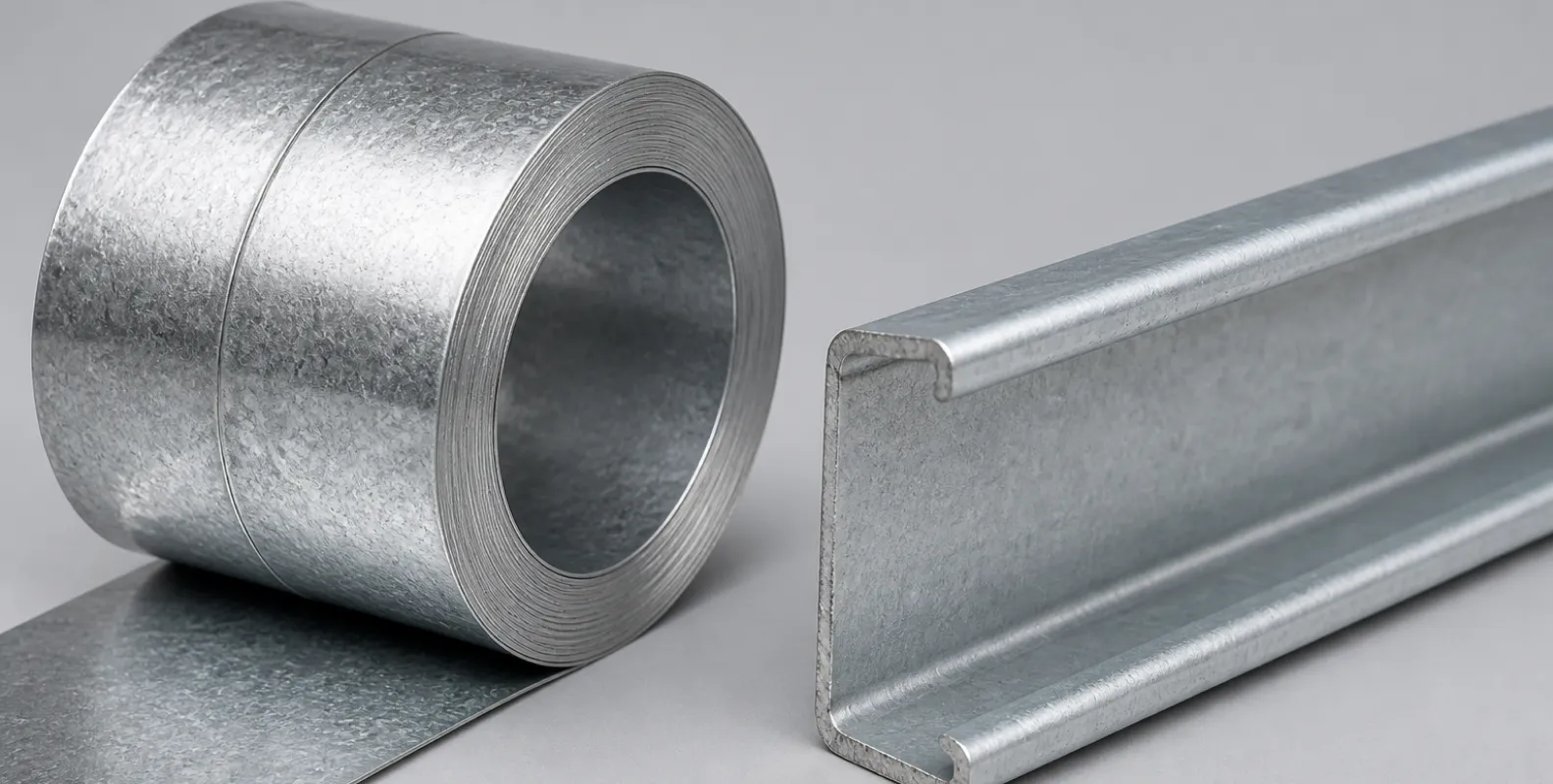
Advancements in Solar Profile Roll Forming Equipment
To support high-velocity solar field deployment, roll forming line architecture has advanced rapidly in late 2026. A modern solar channel roll forming machine is no longer an isolated forming unit; it operates as a fully integrated, automated processing line. The mechanical layout begins with heavy-duty dual-mandrel decoilers equipped with coil cars to enable three-minute coil changeovers, critical for maintaining throughput when running strip thicknesses from 1.5 mm up to 3.5 mm.
Precision hydraulic servo punching stations precede the roll mill. These units execute continuous multi-pattern punching, producing mounting slots, grounding perforations, and alignment holes with web-to-flange positioning tolerances within ±0.2 mm. For operations producing diverse racking geometries, such as deep-web C-purlins, secondary support strut channel roll forming machine systems, or top-mount hat channel roll forming machine lines, motorized width adjustment systems allow operators to alter web and flange dimensions in under five minutes through touch-screen controls, eliminating manual roll changeovers. Detailed operational concepts of these continuous cold working systems are outlined in our analysis of what a cold roll forming machine is.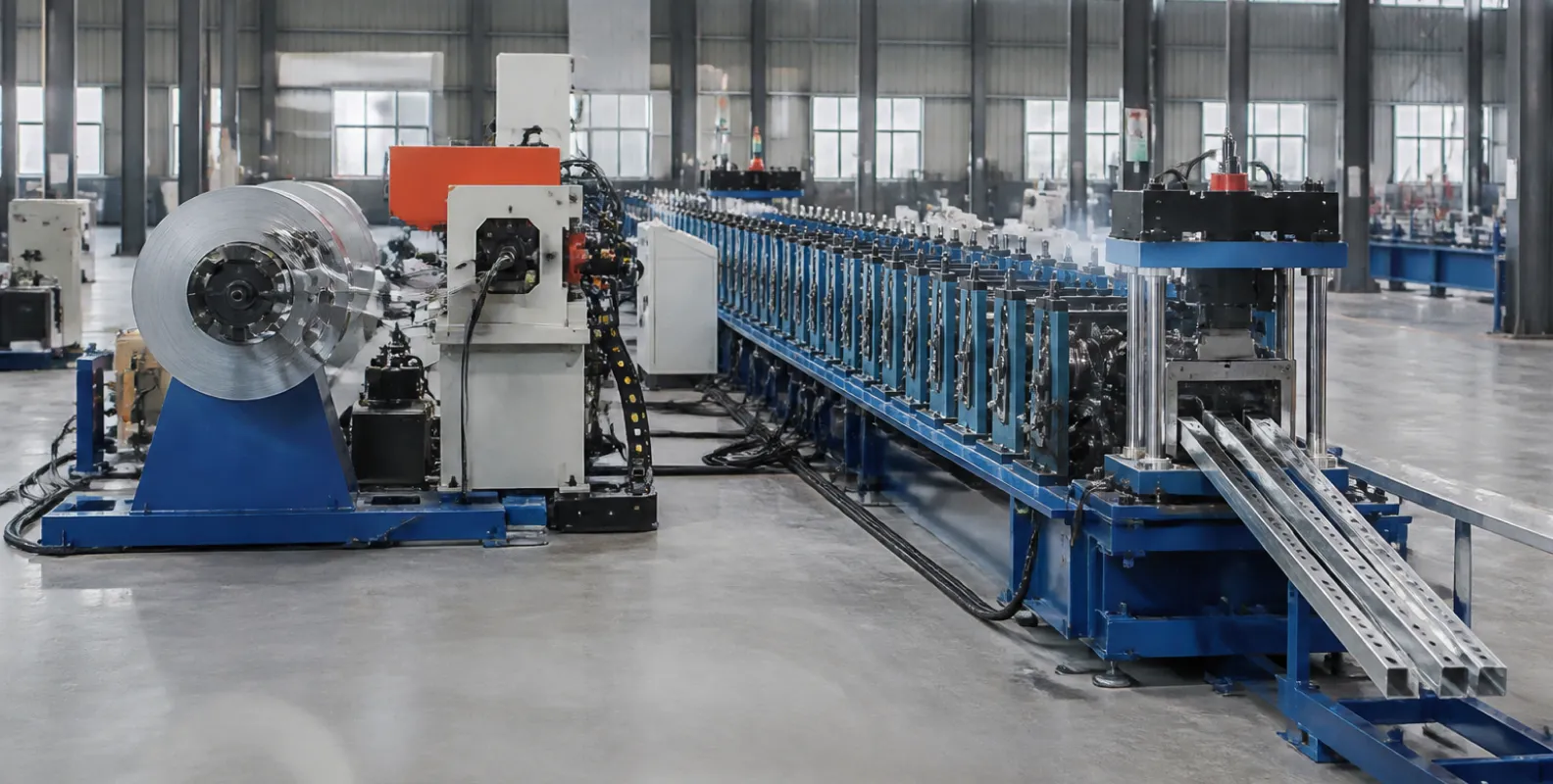
Regional Implementation Strategies for Q4 2026
Industrial fabricators and EPC contractors evaluating manufacturing investments this quarter must approach equipment configuration based on regional structural parameters. Wind load specifications in coastal Middle Eastern projects necessitate high-strength S420GD to S550GD substrates, requiring heavy-duty gear-driven roll stands, rigid cast-iron pedestal blocks, and high-torque motors to handle extreme strip yield strength without shaft deflection.
Conversely, agricultural dual-use and seismic installations in Central Asia require complex, deep-draw channel sections with multiple return stiffeners to span wider column gaps. Line procurement must account for interchangeable profile cassettes, high-speed tracking shears that eliminate stop-and-start cycle delays, and automated magnetic or pneumatic stacking units that bundle profiles ready for field transport. Reviewing an integrated plant layout via our solar PV bracket production solution provides the mechanical framework necessary to evaluate space, electrical load, and logistics flows.
Conclusion and Production Line Procurement
The industrial landscape in late October 2026 makes one operational reality clear: relying on long-distance maritime supply chains for finished solar mounting brackets introduces severe regulatory, tariff, and volumetric freight risks. As utility-scale solar projects expand under strict domestic content regimes, localized cold roll forming capability has transitioned into a core strategic asset for competitive EPCs and regional fabricators.
THRONCH designs and builds high-output roll forming production lines configured specifically for high-strength ZAM and pre-galvanized solar profiles. Every production line undergoes rigorous factory acceptance testing using customer-supplied coils before shipment, verifying profile geometry, punching accuracy, and continuous line speed. Contact our engineering team at amy@thronch.com to review your profile drawings, local content requirements, and capital equipment schedules.
-

THRONCH
Cold Roll Forming Machine Manufacturer
THRONCH is a direct manufacturer specializing in custom cold roll forming lines and welded pipe mills. With over a decade of engineering expertise, we share technical insights and deliver high-precision