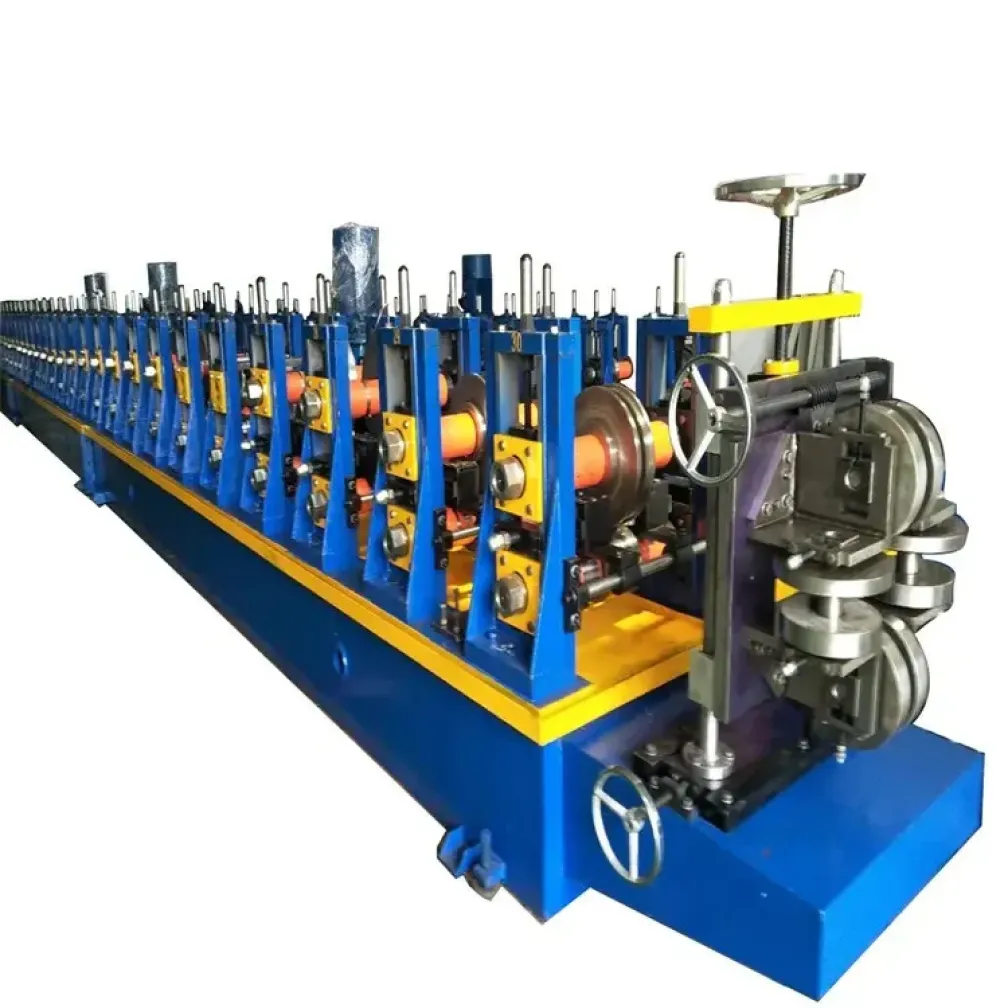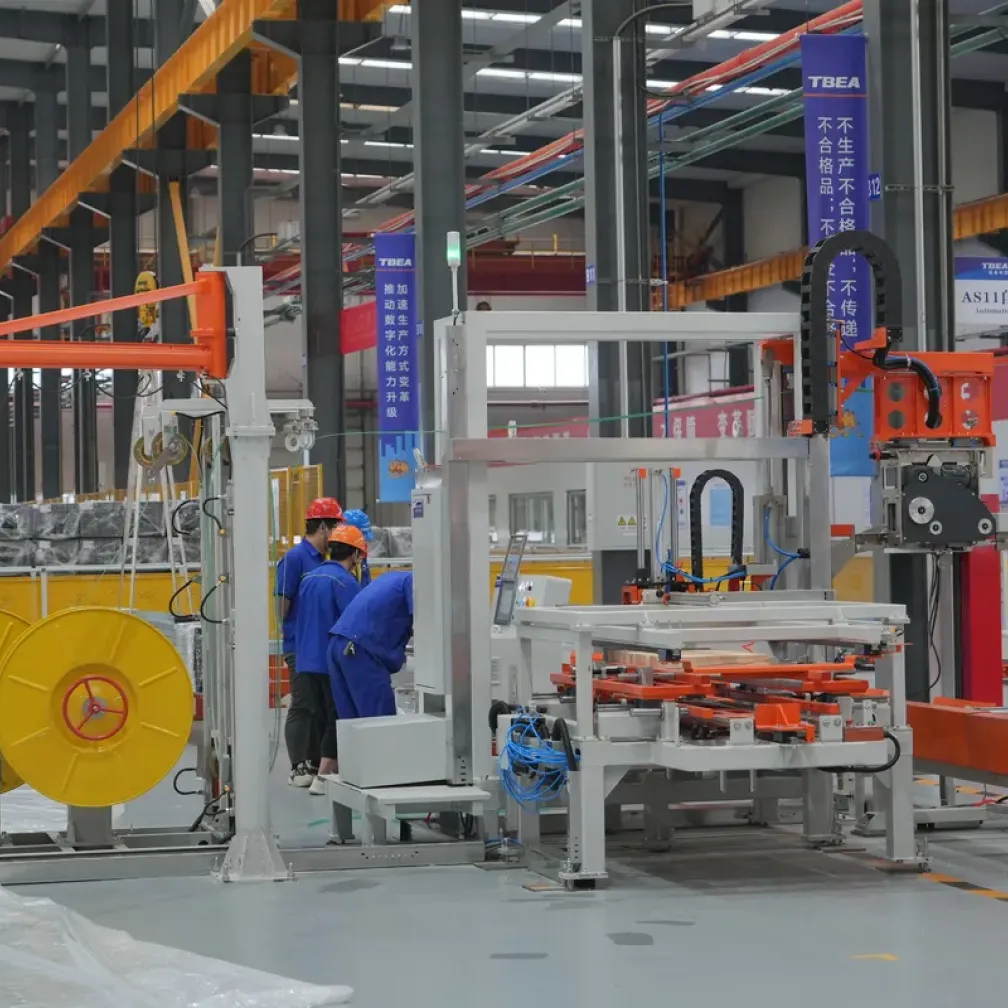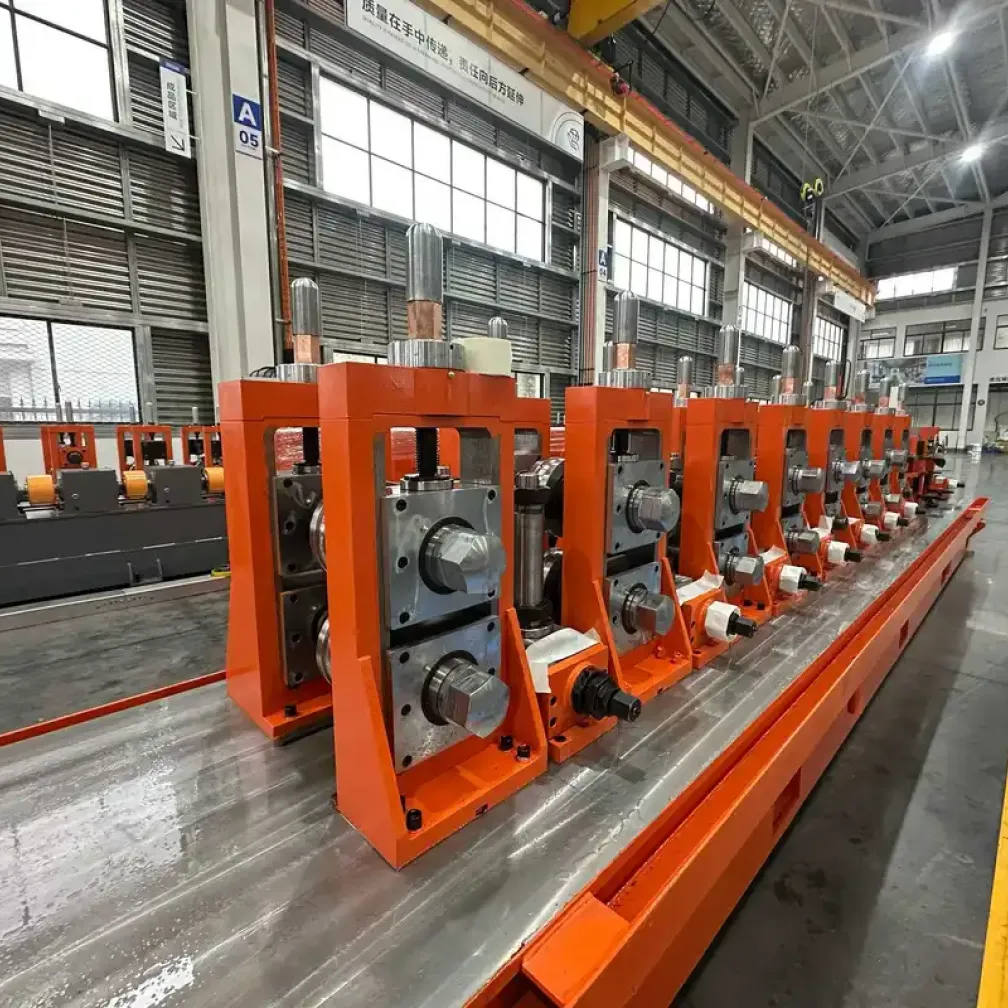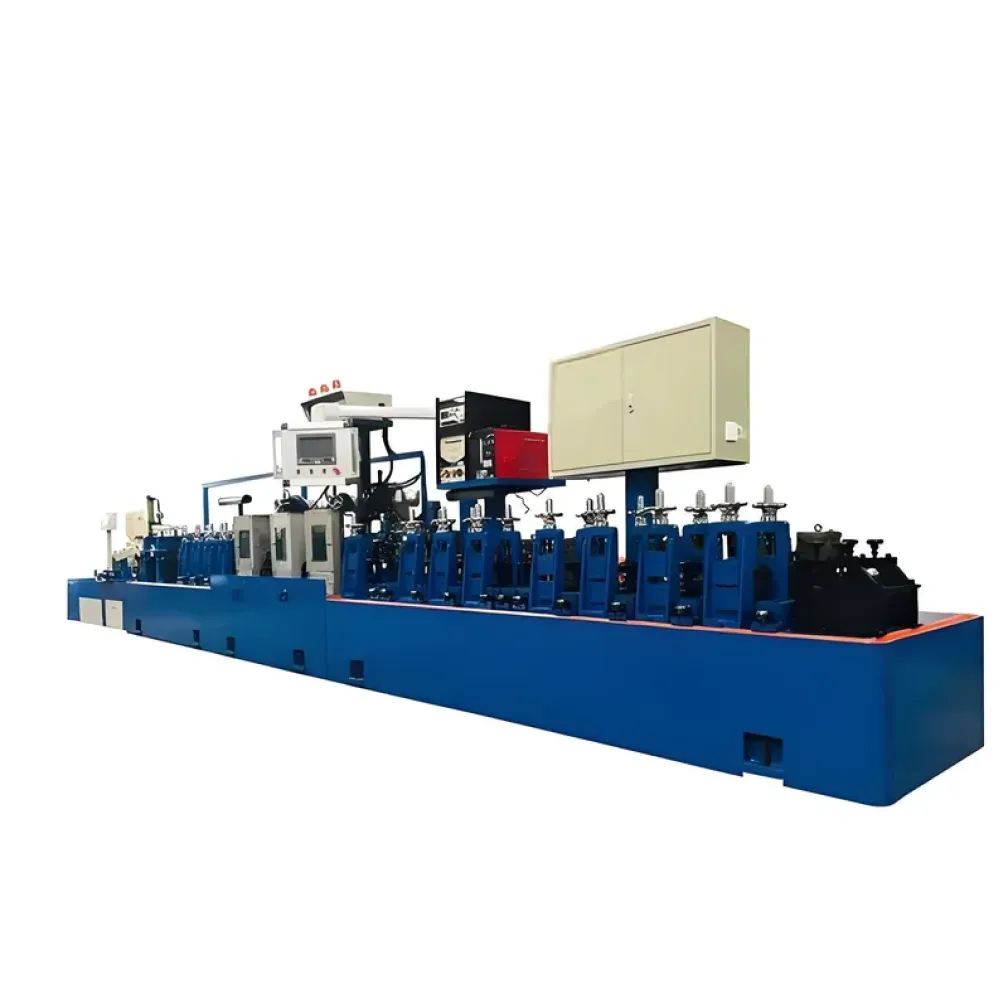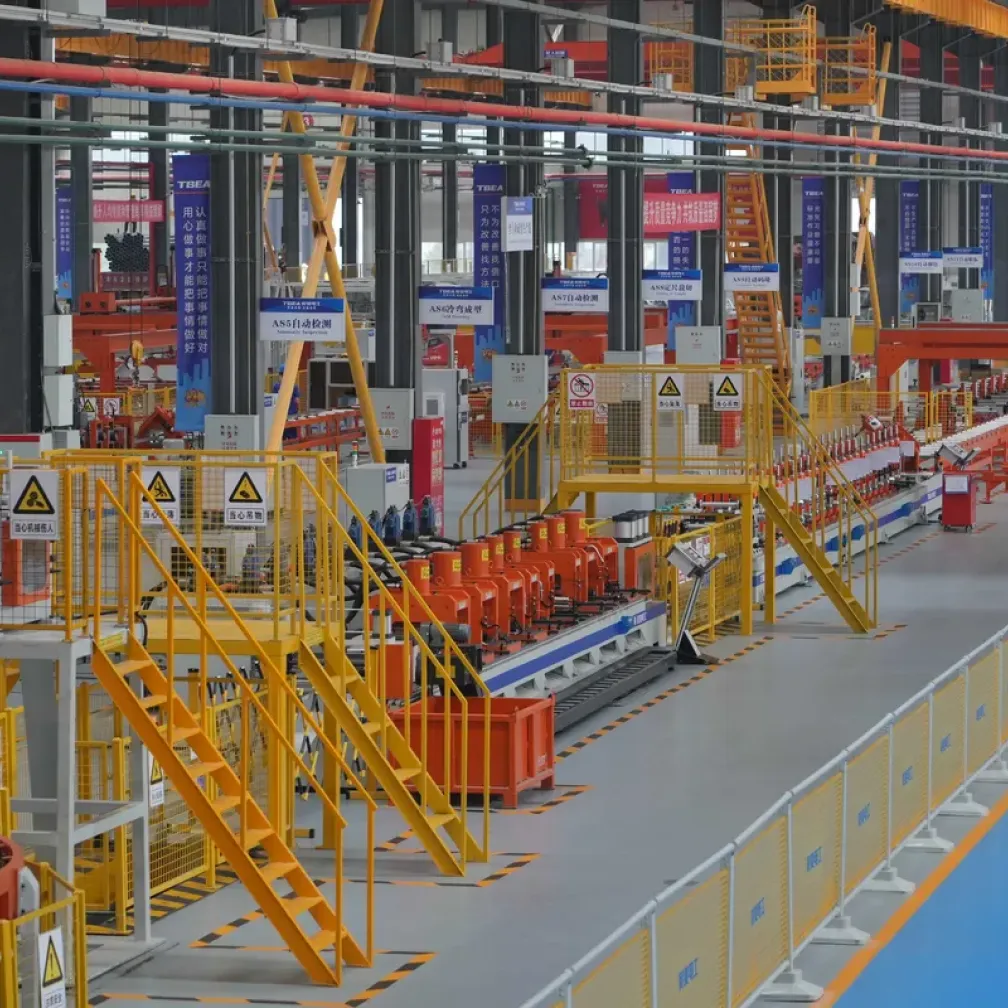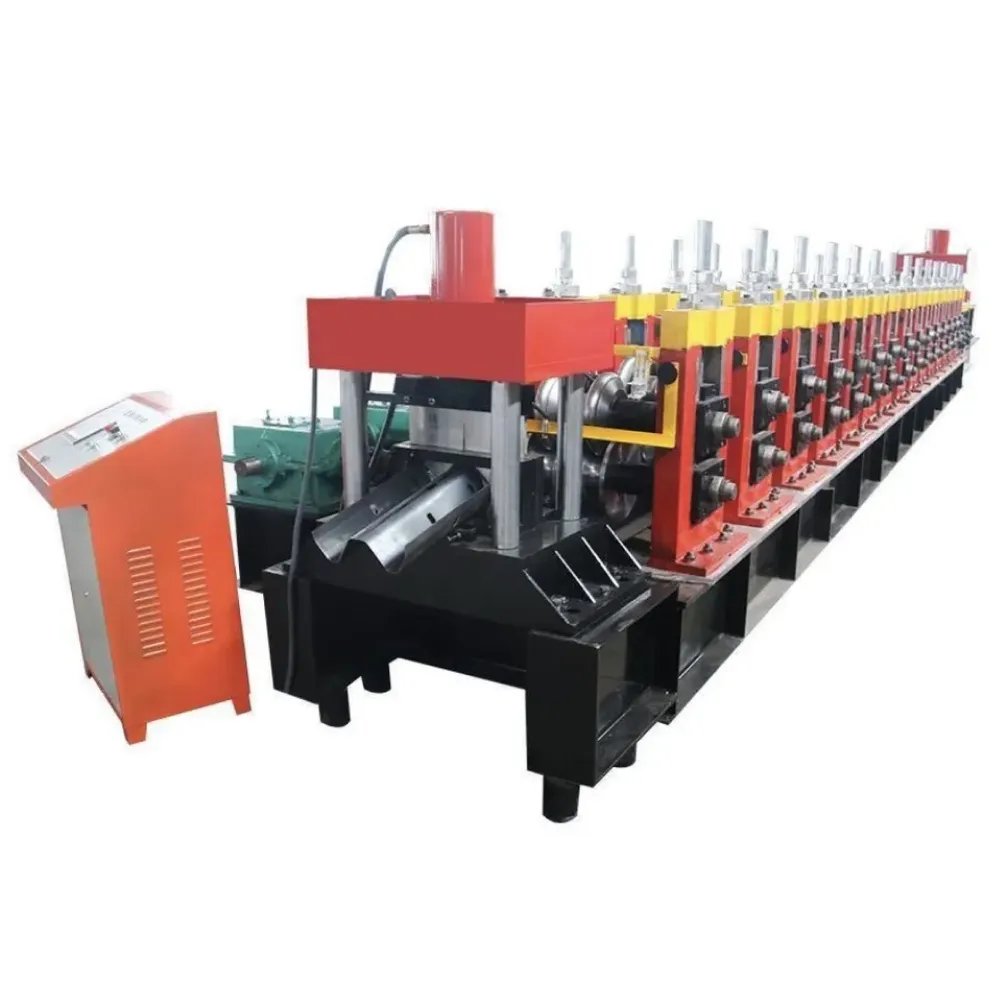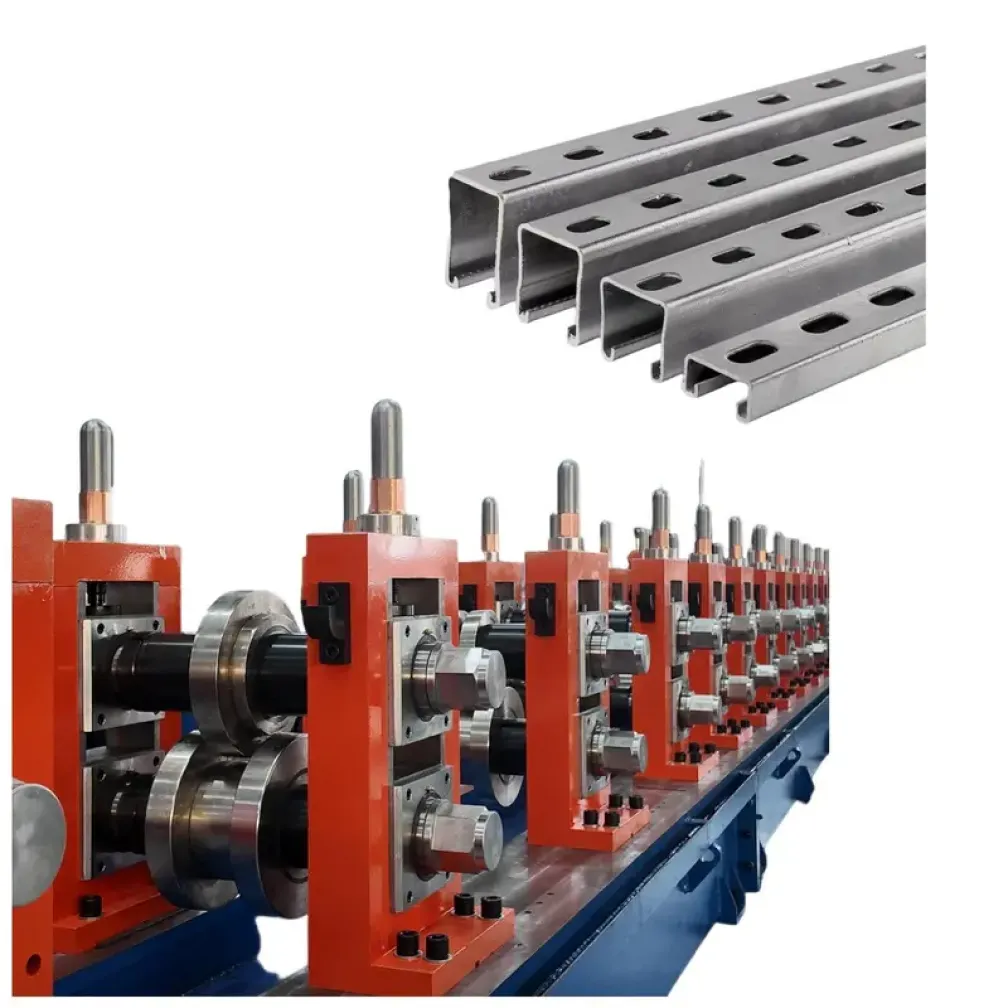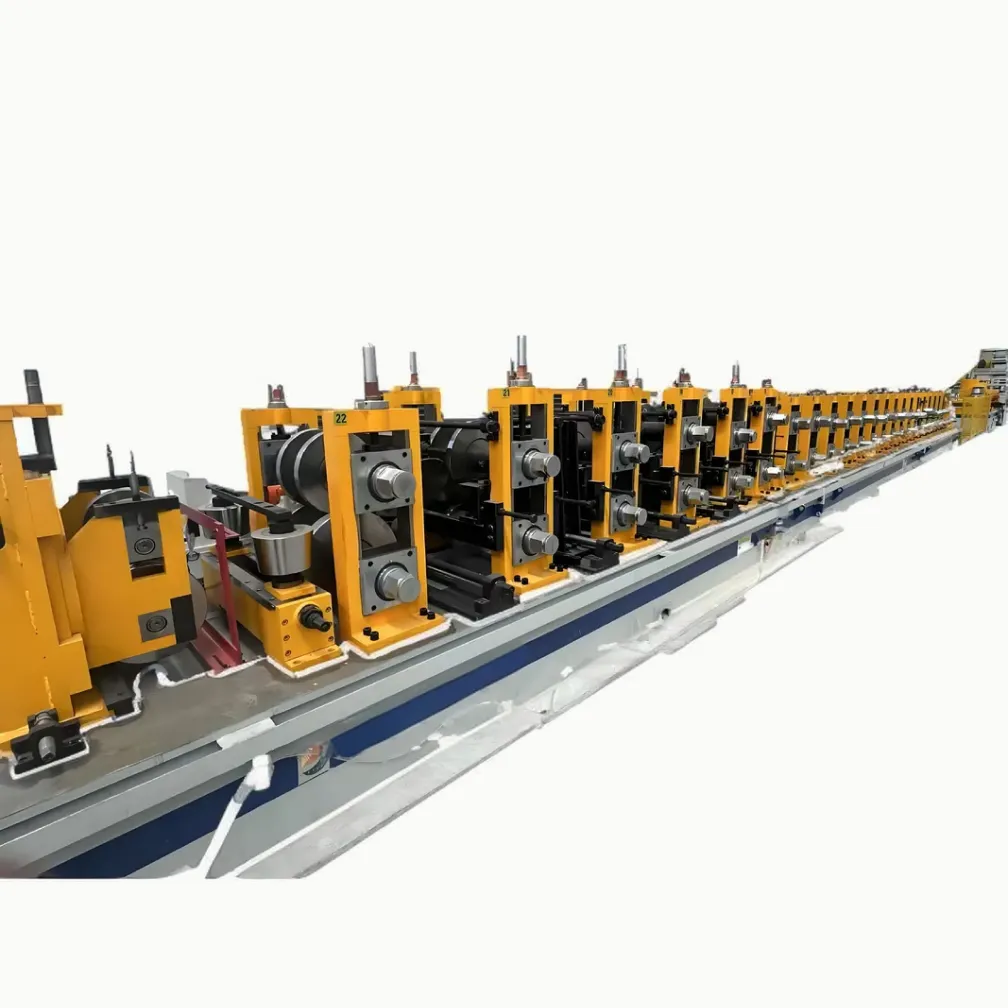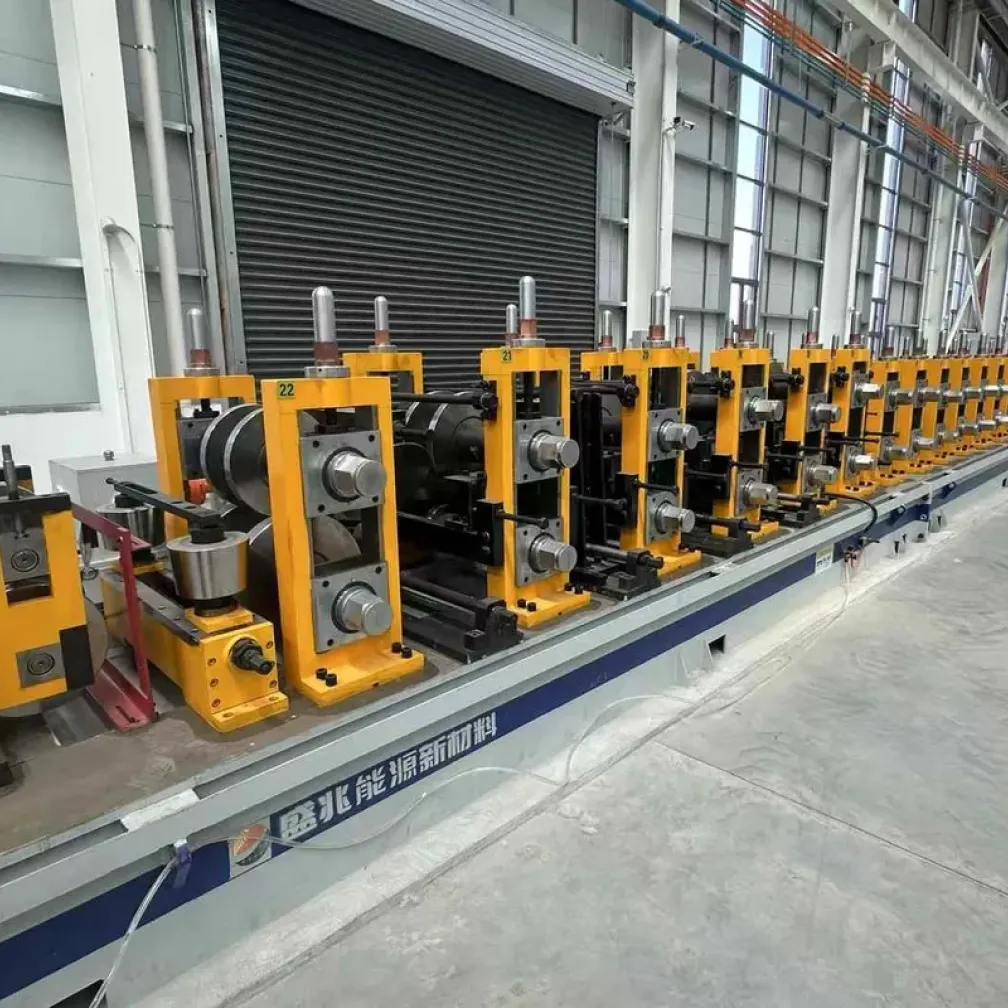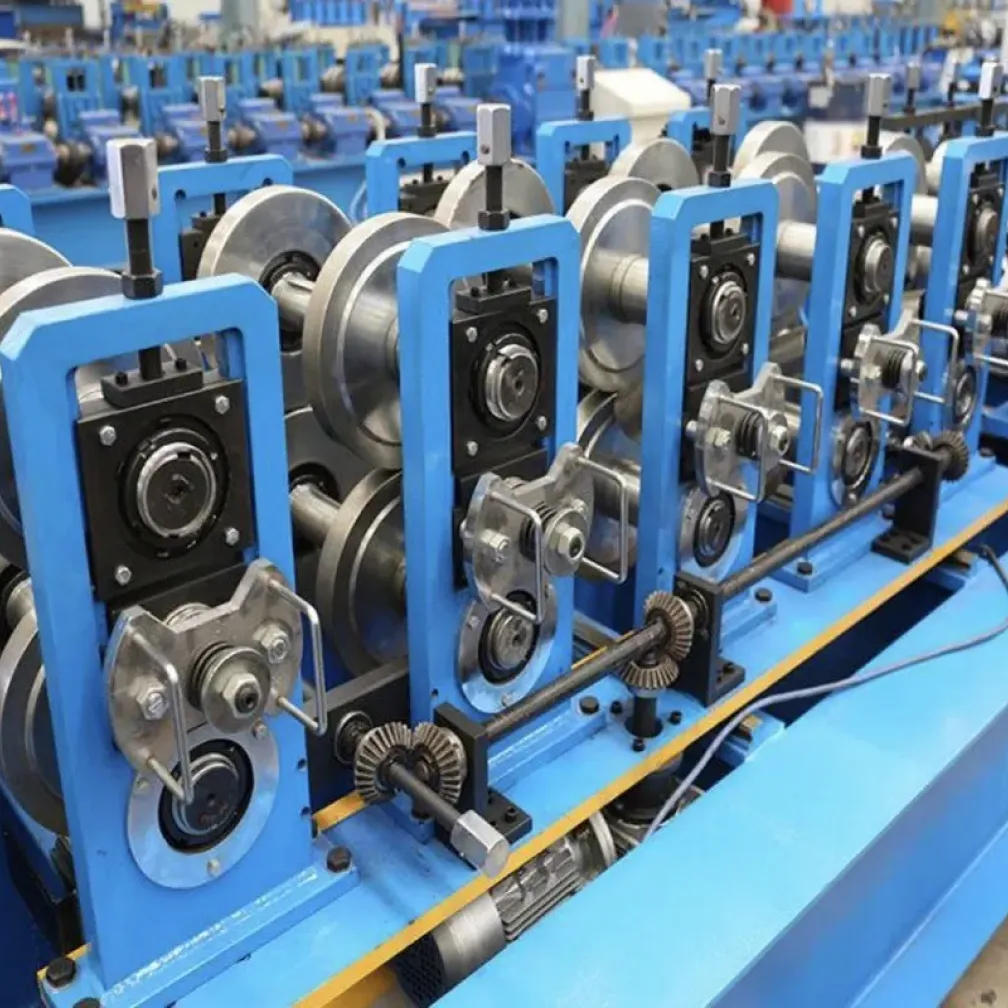


This solution is a complete in-house production line for C, Z, and U purlins, built for steel structure manufacturers, PEB fabricators, and profile service centers. One line takes galvanized or black steel coil and delivers finished purlins, punched and cut to project length, ready for the fabrication shop. The line runs from decoiler to automatic stacker: leveling, servo feeding, hydraulic hole punching, roll forming, and flying cut-off are integrated on one PLC program. This page explains who the solution fits, what the line produces, how the equipment is configured, how to plan plant and throughput, and what delivery and support look like.
Who This Purlin Production Solution Is For
Three types of buyer get the fastest return from an in-house purlin line. The first is the PEB manufacturer who buys purlins and girts every month as part of building kits. The second is the steel structure contractor running several warehouse or factory projects in parallel, where purlin demand is steady but sizes change from job to job. The third is a steel service center that supplies local fabricators and wants to add purlins to its product list. If your operation currently buys purlins from an outside roll former, your real costs are the mill margin, the freight on long hollow sections, and the schedule risk when a project list changes. An in-house line removes all three.
What the Line Produces
The line covers the three sections used in steel buildings: C purlins, Z purlins, and U sections for bracing and solar mounting work. Web heights run from 80 mm up to 400 mm, with flange and lip dimensions set by your drawing. Strip thickness is 1.5 to 3.5 mm on standard builds, with heavier configurations available for thick structural sections. Cut lengths from 1 m to 12 m are set on the touch screen with a tolerance of plus or minus 1 mm over 6 m. Standard material is hot-dip galvanized strip at Z275 coating, high-strength grades such as S350GD and S450GD, and Q235 or Q355 black strip for painted or shop-primed members.
On installation behavior, the two main sections differ in one important way. A C purlin has equal flanges and works as a single-span member sitting on the rafters. A Z purlin has offset flanges, so adjacent pieces overlap at each support and behave as a continuous beam. That overlap is what lets Z sections carry the same load on a longer span, which is why most large roof systems specify Z purlins and use C sections for girts and shorter spans.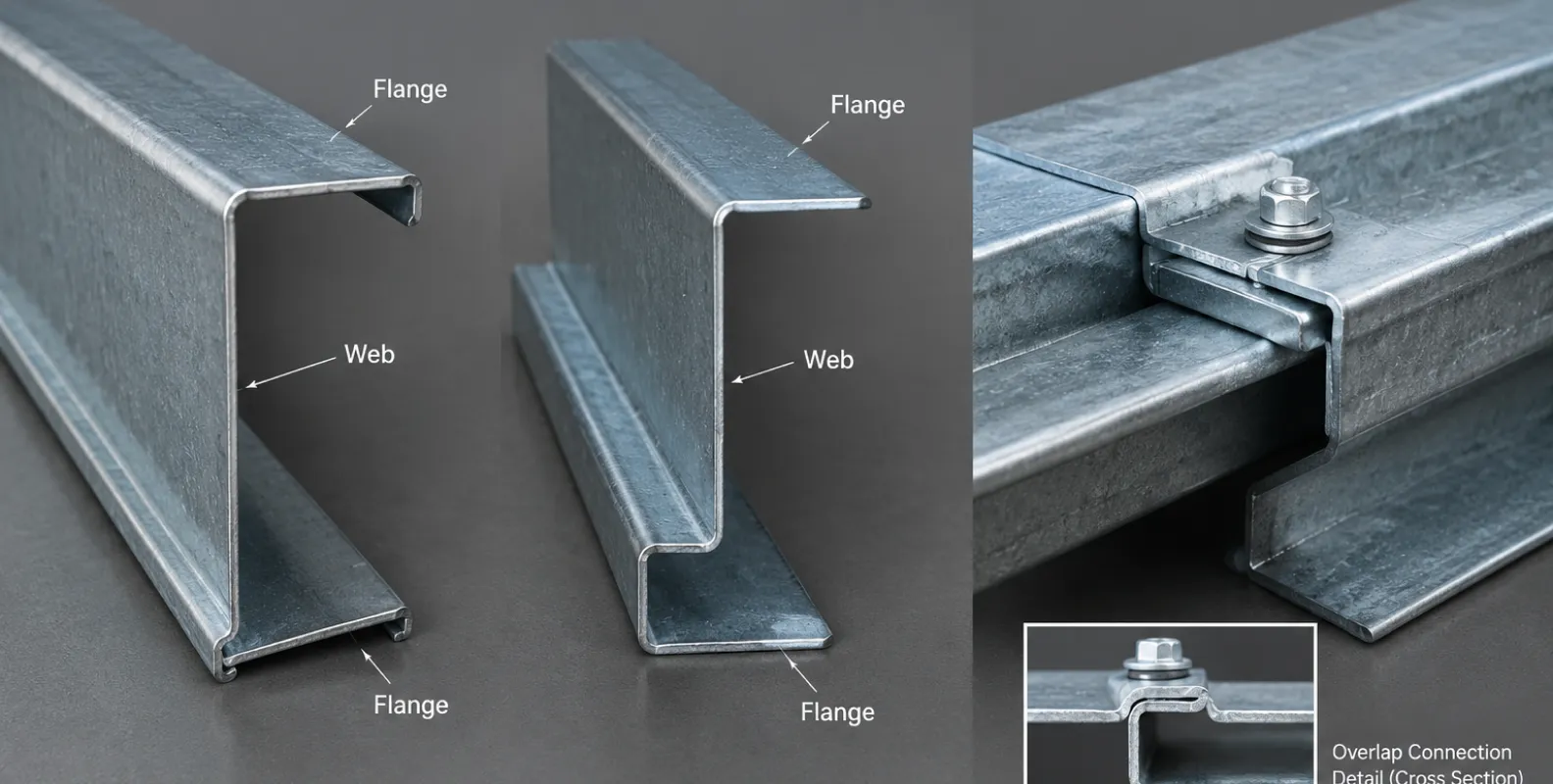
Line Configuration
The standard configuration is a chain of proven units, each sized to your section range and output target:
| Stage | Equipment | Function |
|---|---|---|
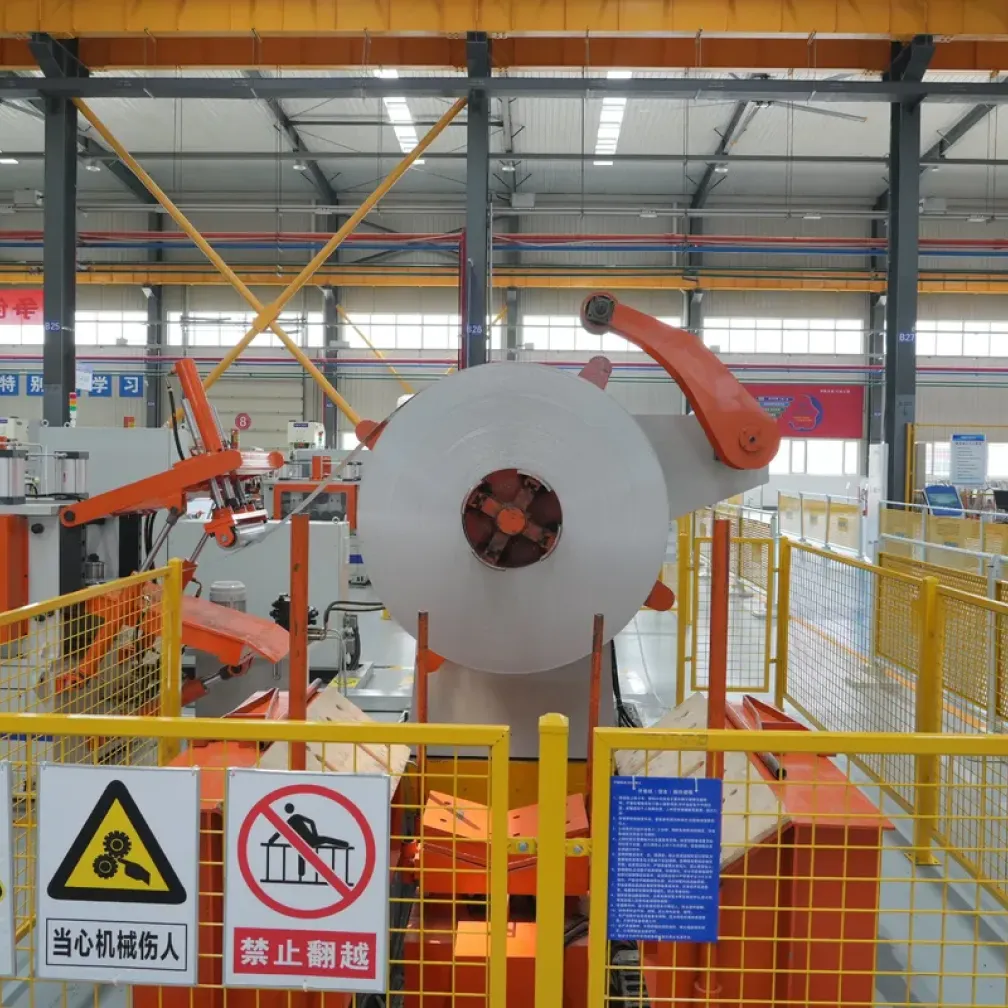
| Decoiling | Hydraulic decoiler, 6-ton capacity, coil OD 1300 to 1800 mm | Holds and pays off the coil under controlled tension |
| Leveling | Multi-roll leveler | Removes coil set so the strip enters the mill flat |
| Feeding and punching | Servo feeder with hydraulic punch units | Positions the strip and presses web and flange holes inline |
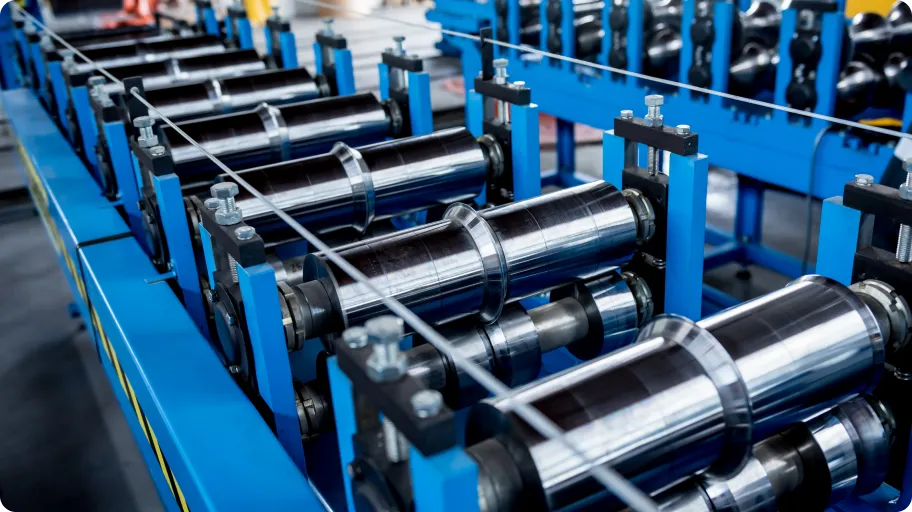
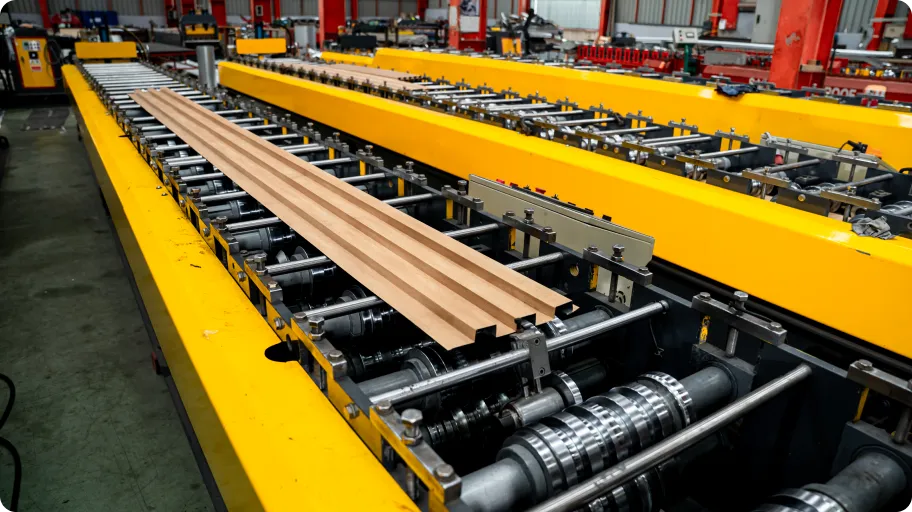
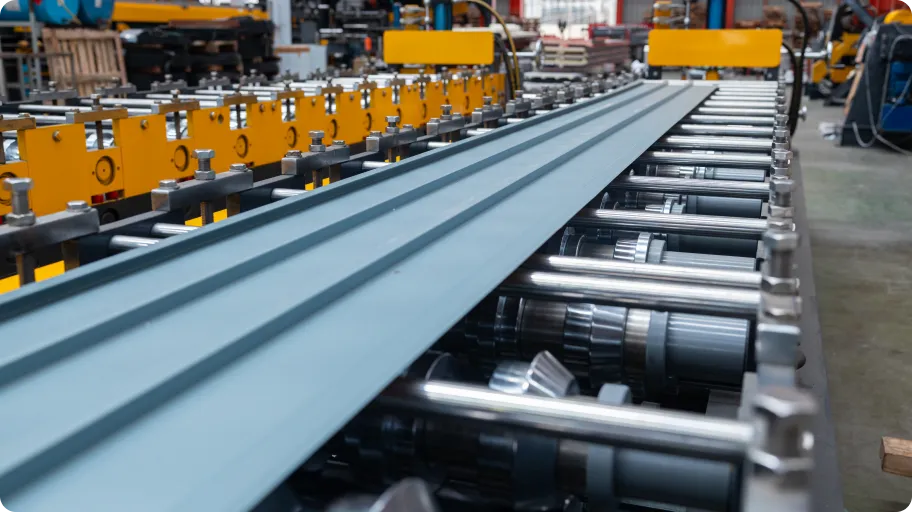
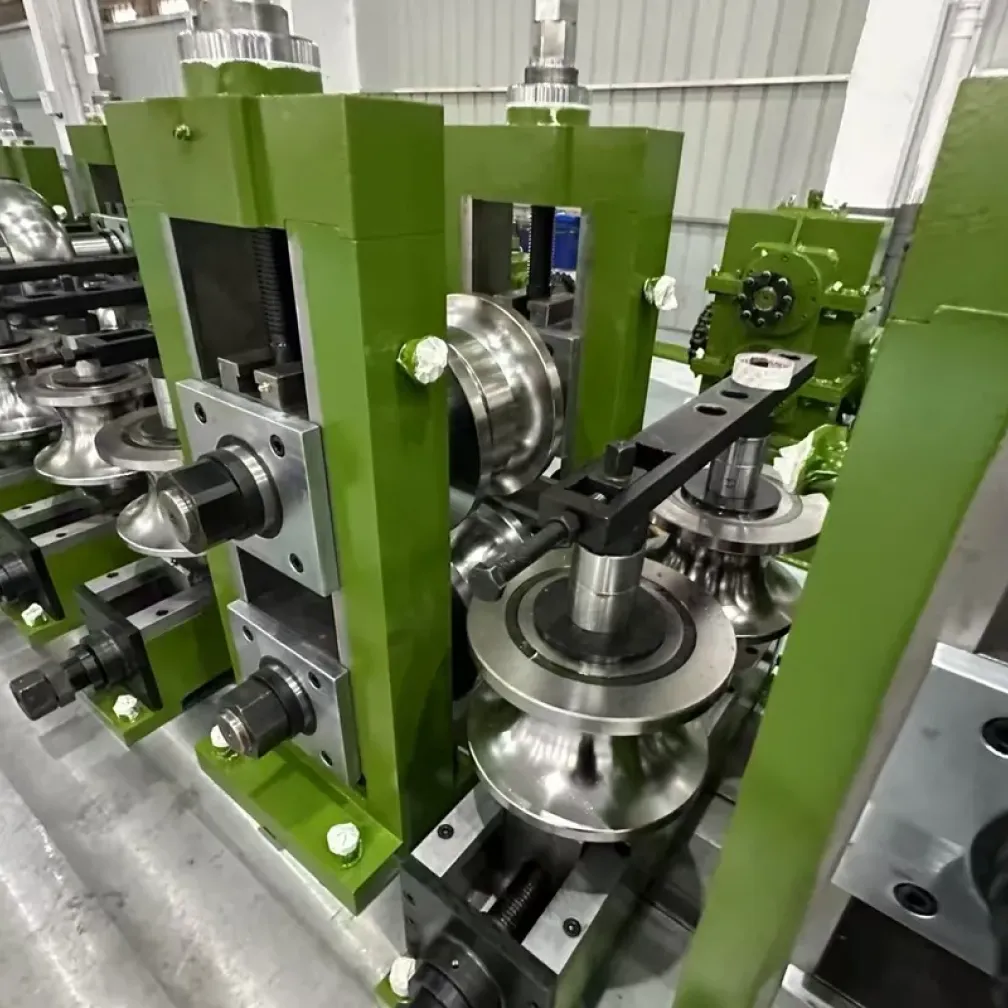
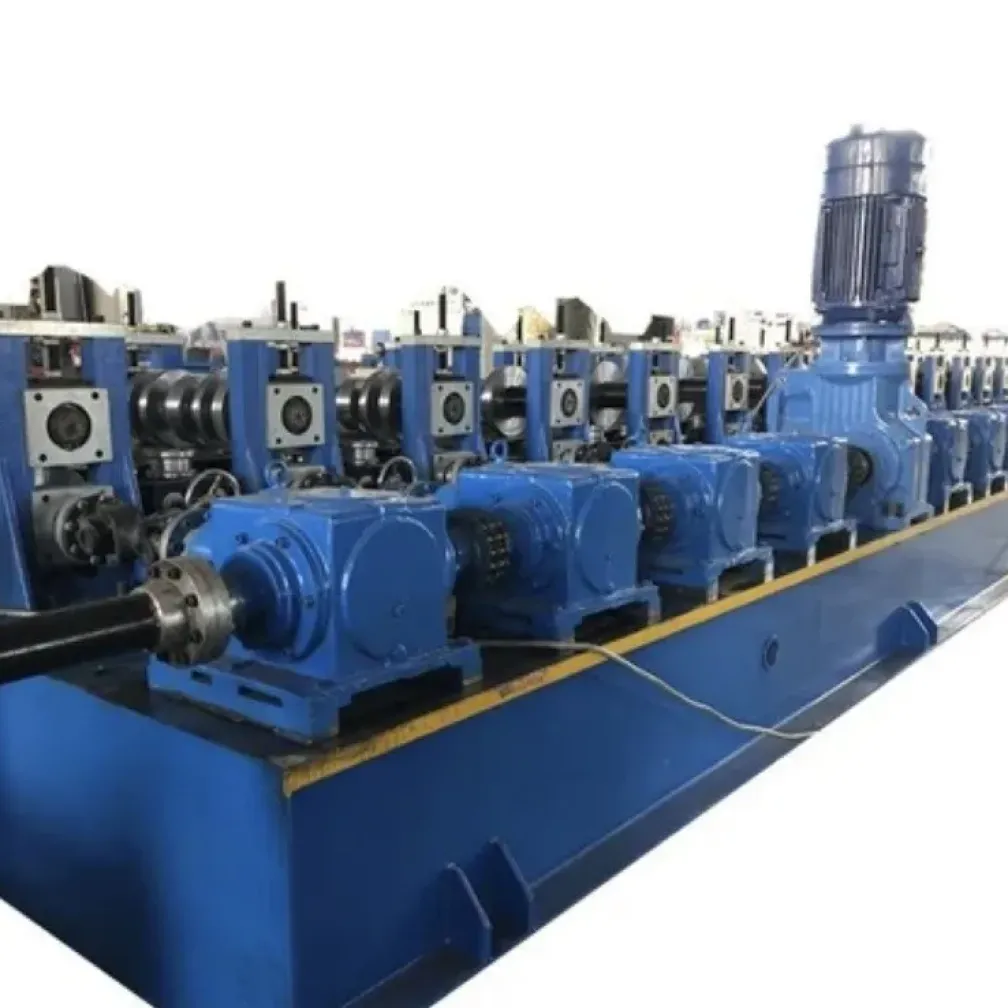
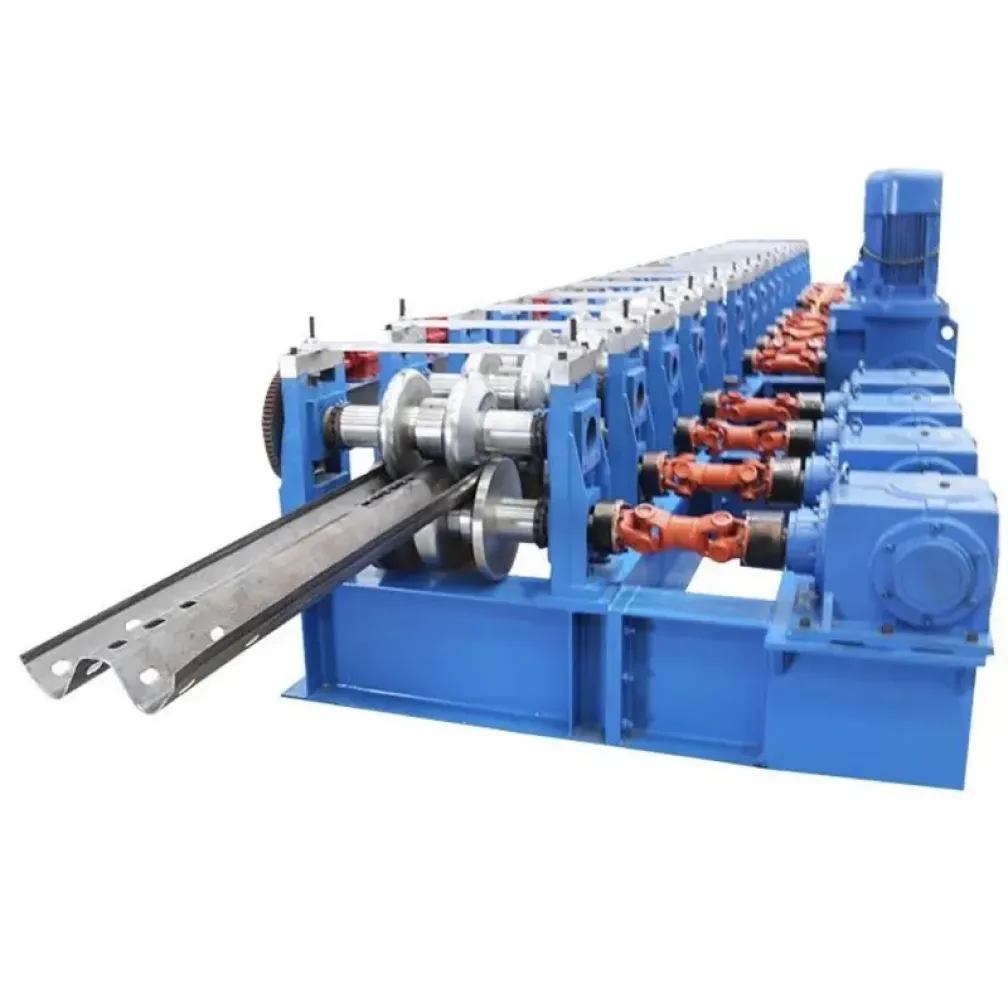
| Forming | Roll forming mill, 15 to 19 stands, bearing-steel chrome-plated rollers | Bends the strip progressively into the final section |
| Cutting | Flying hydraulic cut-off | Cuts to length in motion, plus or minus 1 mm over 6 m |
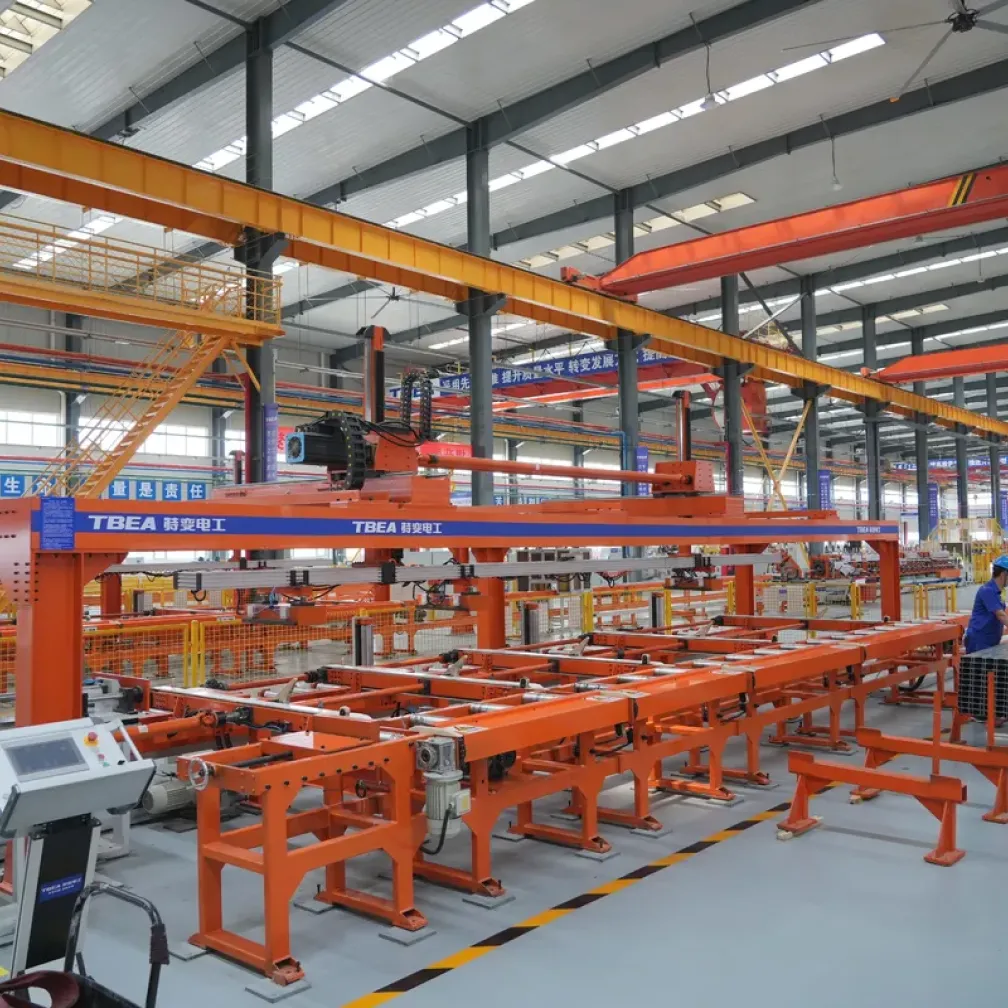
| Stacking | Automatic stacker with bundle output | Collects and squares bundles for strapping and dispatch |
Installed power is typically 37 to 75 kW depending on section size and speed. The whole chain runs under one PLC, so length, batch, and punching programs are entered once at the touch screen.
Automatic C/Z Changeover
Mixed orders are the normal state of a steel building business, so changeover time decides real daily output. The mill uses motor-driven adjustment: the operator selects the section and size on the screen, and the roll gaps and web width set themselves. Switching between C and Z, or between web heights, takes minutes rather than a half-day of manual spacer work. One machine therefore covers the full purlin list of a project without a second line.
Inline Punching for PEB Connections
Purlins earn their money at the connections. The line punches web holes for anti-sag bars and flange holes for panel fixing while the strip is still flat, before forming. Servo positioning keeps hole location accurate at full line speed, and the hole patterns are stored as programs, so a repeated project is a recall operation. Inline punching removes the secondary drilling step that slows down fabrication shops and introduces position errors.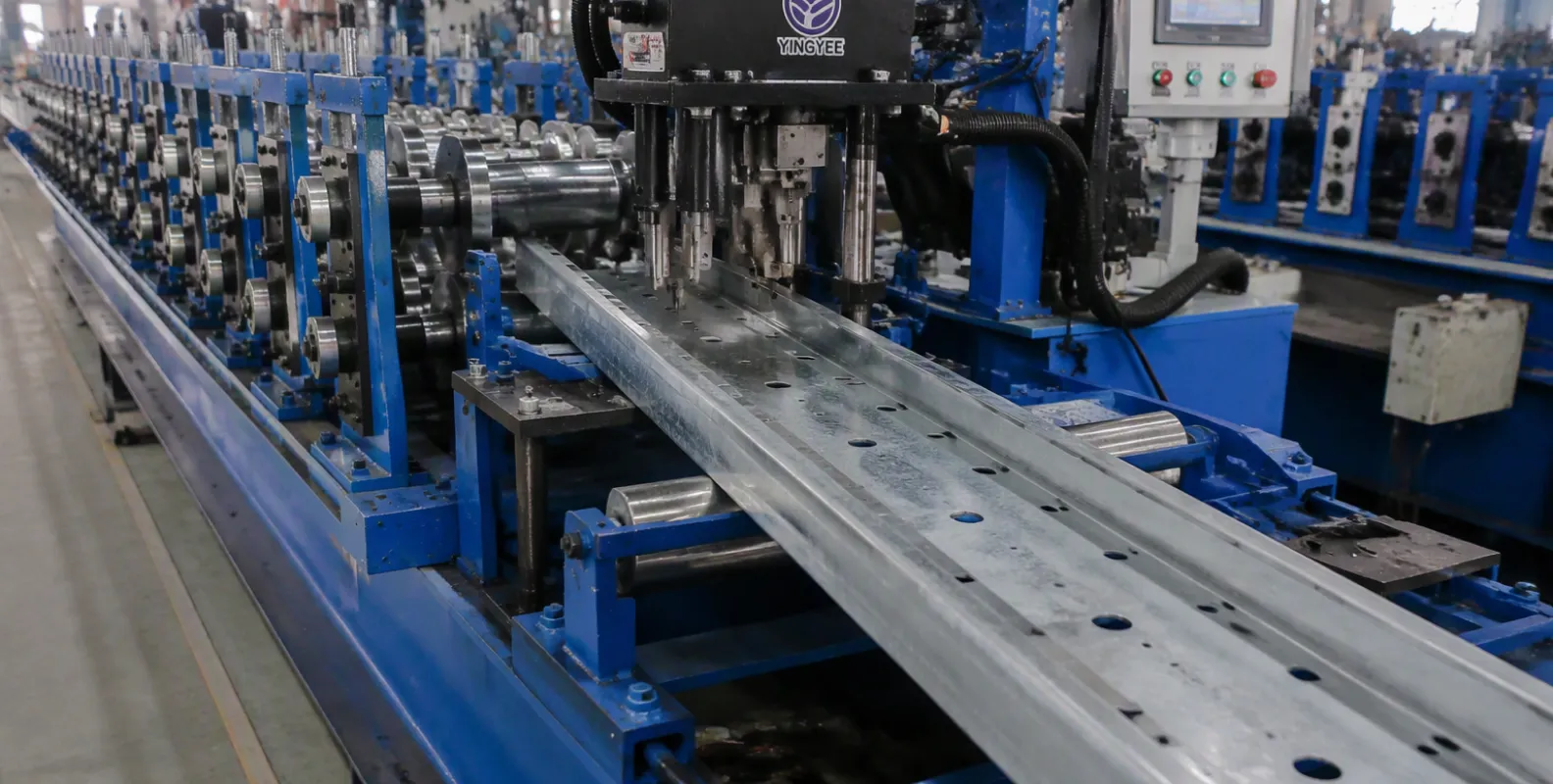
Planning Plant and Throughput
Line speed for purlin work is 10 to 30 m/min depending on thickness and section. A practical example: a 3 mm Z purlin at about 5 kg/m running at 20 m/min is roughly 6 tons per hour at full speed. Real planning uses 60 to 70 percent uptime for coil changes, changeovers, and bundling, so a single shift supports a serious monthly tonnage. Plant requirements are modest: allow 40 to 60 m of straight length for the line, a 5-ton overhead crane for coils, a level concrete floor, and two to three operators per shift plus a forklift for bundles.
In-House Production vs. Buying Purlins
The economics rest on three facts. First, purlins are long hollow sections, and freight on them is largely payment for moving air; producing at the fabrication site deletes that cost. Second, an outside mill adds its margin on every ton, while your own line converts coil to purlin at conversion cost alone. Third, in-house cutting to live project lists removes both excess inventory and shortage risk. When monthly consumption reaches the level where the saved margin and freight cover the line payment, the decision is already made; the exact crossover depends on your local coil price and freight rates, and we can run the numbers with you during quotation.
Delivery, Installation, and Support
Standard purlin lines are completed in 30 to 45 days, and customized configurations take 60 to 90 days. Before packing, every line passes a 48-hour trial run with real strip at our factory. Shipment is arranged FOB, CFR, CIF, or door-to-door. THRONCH engineers travel for installation and commissioning, which takes 3 to 5 days, and train your operators before handover. The line carries a 12-month warranty with 18 months on core components, and technical questions are answered within 24 hours for the life of the machine.
Start Your Purlin Production Project
Send us your section list with web heights, thickness range, and monthly tonnage target, and our engineers will return a complete line proposal with configuration, layout drawing, and delivery schedule. Reference configurations for individual machines are on our CZ purlin roll forming machine page, with dedicated builds for C purlin, Z purlin, and U purlin production, and fully automated options under automatic roll forming machine. Contact us at amy@thronch.com.
Frequently Asked Questions
What sections can one CZ purlin line produce?
One line produces C purlins, Z purlins, and U sections. Web heights from 80 to 400 mm are covered by motor-driven adjustment, and switching between sections and sizes is done from the touch screen in minutes.
What is the difference between C and Z purlins in use?
A C purlin works as a single-span member resting on the rafters. A Z purlin overlaps the next piece at each support and acts as a continuous beam, so it carries the same load over a longer span. Most large roofs use Z purlins, with C sections for girts and short spans.
How fast does a purlin production line run?
Standard purlin lines run at 10 to 30 meters per minute depending on strip thickness and section size. Thicker high-strength strip runs slower; thin galvanized strip runs at the top of the range.
What material and thickness can the line process?
Standard builds run 1.5 to 3.5 mm strip in hot-dip galvanized, high-strength S350GD and S450GD, and Q235 or Q355 black steel. Heavier configurations for thick structural sections are available on request.
How many operators does the line need?
Two to three operators per shift cover coil loading, supervision, and bundling, plus a forklift driver for moving coils and finished bundles.
Can hole patterns be customized?
Yes. Web and flange holes are punched inline to your drawing before forming, and patterns are stored as PLC programs. Bolt holes for splice plates and anti-sag bar holes are the standard requests.
How long do installation and commissioning take?
On-site installation and commissioning take 3 to 5 days with THRONCH engineers, including operator training. The line is handed over producing in-tolerance purlins.
What is the lead time for a complete purlin line?
Standard configurations ship in 30 to 45 days after order confirmation. Customized lines with special sections or automation packages take 60 to 90 days, and every line completes a 48-hour trial run before shipment.
-

THRONCH
Cold Roll Forming Machine Manufacturer
THRONCH is a direct manufacturer specializing in custom cold roll forming lines and welded pipe mills. With over a decade of engineering expertise, we share technical insights and deliver high-precision